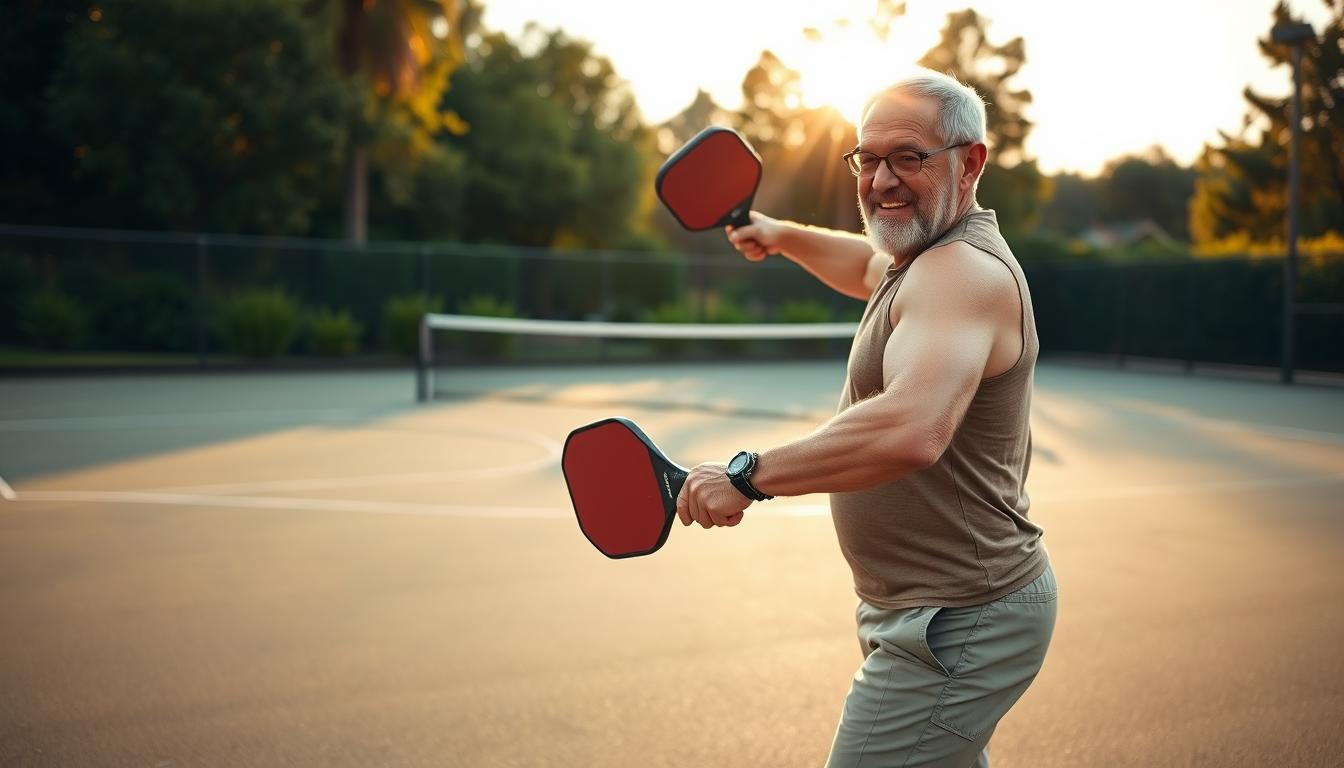
Can a lighter paddle and the right ball truly extend your court life without sacrificing performance?
This brief guide sets the stage for clear, practical reviews aimed at players who want animal-free materials and low-impact performance. We focus on lightweight paddles in the 7–8.4 oz range to reduce arm strain and lengthen play time.
Expect hands-on notes about Hudef, Selkirk Amped S2, Vatic Pro Prism Flash, 11SIX24 Jelly Bean, and Paddletek Tempest Wave. Core features like soft polymer honeycomb cores, wide faces, comfy grips, and balanced weight get special attention.
We also preview top U.S. balls: Franklin X-40, Life Time Pro 48, Vulcan VPRO FLIGHT, Selkirk Pro S1, and GoSports GS40. You’ll learn why many paddles share similar builds and how to see past branding to real on-court differences.
The aim is transparent, useful testing so you can narrow choices fast, avoid costly mismatches, and choose vegan-friendly options that hold up from the first point to the end of the season.
Who This Product Review Serves: Vegan Pickleball Players 50+ Seeking Comfort, Control, and Value
This section targets players who want low-impact, animal-free equipment that reduces strain and keeps the game fun. It speaks to people who need comfort, control, and solid value more than hype.
Many players face common issues such as elbow or shoulder pain, grip fatigue, and past injuries. Lighter paddles in the 7–8.4 oz range, large sweet spots, and thick polymer or honeycomb cores help keep timing and touch without stressing joints.
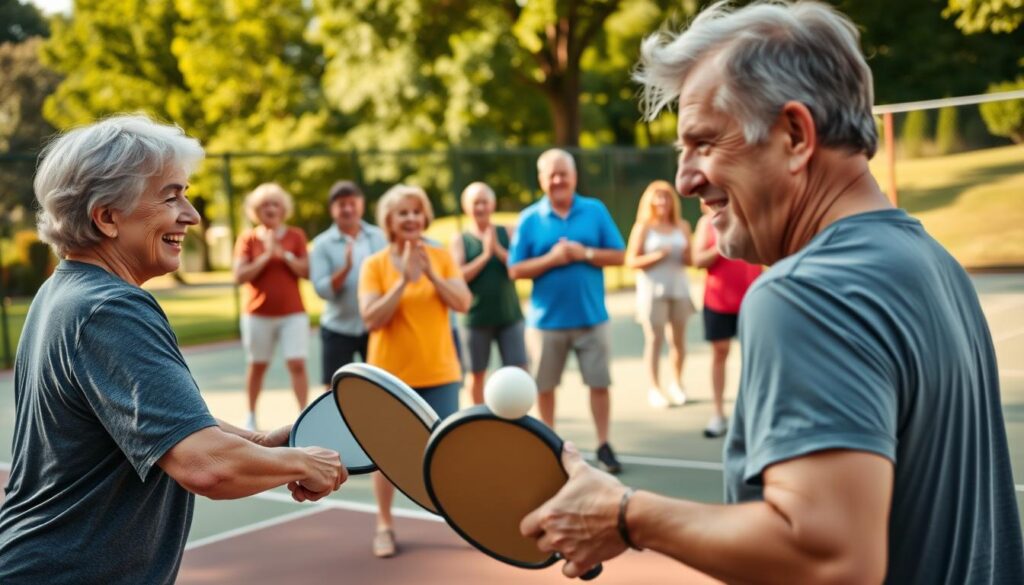
The right grip circumference matters. Most hands do best with 4–4.25″ grips to prevent over-squeezing and boost confidence. Cushioned, leather-free grips and adhesives support ethical choices and steady control.
“Choose a paddle that matches your mobility and recovery needs — comfort beats flashy specs every time.”
- Recommendations favor comfort-first or control-first setups and pair paddles with balls for typical club play.
- Value options perform well without a brand premium, and choices suit improving to competitive players.
Think about your hands and movement as you read later sections; those factors will guide the best paddle and balls for you to play pickleball with less pain and more joy.
Senior-Centric Buying Criteria: Weight, Balance, Sweet Spot, and Shock Reduction
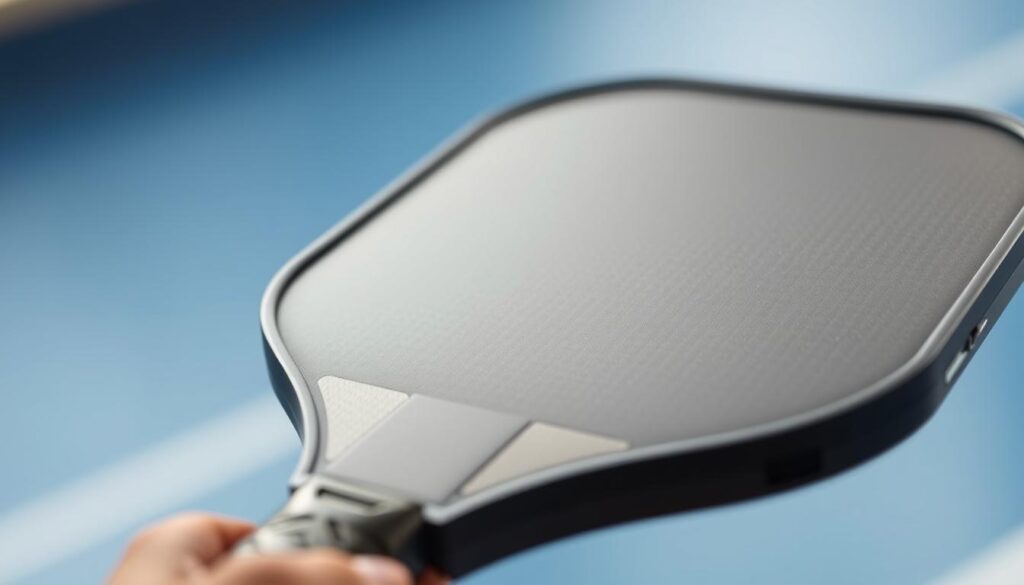
Simple design choices — weight, balance, and core thickness — shape how a paddle feels across a match.
Ideal weight range and balance
Choose a paddle in the 7–8.4 oz range to lower fatigue and protect joints. Lighter models keep hands quick at the net and extend play without losing control.
Favor head-light or even-balance builds to cut torque on wrists and elbows. That helps players react faster at the kitchen while easing strain on follow-throughs.
Sweet spot, core thickness, and feel
Thicker polymer or honeycomb cores (about 16mm) widen the sweet spot and add stability on off-center hits. A larger sweet spot means more consistent contact and better touch on dinks and drops.
Widebody or hybrid shapes boost forgiveness and make cleaner contact under pressure. Stable builds also help retain timing when footwork is a step late.
| Feature | Why it matters | Practical tip |
|---|---|---|
| Weight (7–8.4 oz) | Reduces arm fatigue and improves maneuverability | Try 7.5 oz first for a balance of power and ease |
| 16mm polymer core | Expands sweet spot, dampens vibration | Look for “polymer” or “honeycomb” in specs |
| Head-light/even balance | Lowers torque on forearm and wrist | Test quick volleys to feel responsiveness |
| Grip & shock damping | Gel inserts and cushioned grips reduce vibration | Match grip circumference to hand size for best feel |
- Soft cores and quality edge guards cut shock so touch lasts late in rallies.
- Some paddles trade raw power for control; that trade often helps consistency.
- Pairing a damped paddle with a moderate-speed ball can protect joints and equalize play.
“Test multiple grips and balance points before you buy; comfort beats specs on paper.”
Vegan Materials Checklist: Paddle Faces, Cores, and Grips Without Animal Products
A quick materials audit makes it easier to build a cruelty-free setup without losing performance.
Choose paddles with graphite, carbon fiber, or fiberglass faces. These face options are light and give crisp feedback while avoiding animal-derived components.
Core types and what to expect
Most cores use polymer, Nomex, or aluminum. All three are synthetic; polymer cores tend to dampen vibration and widen the sweet spot.
Nomex is firmer and louder. Aluminum cores add pop but can transmit more shock to the hands.
Grips, overgrips, and adhesives to check
Opt for leather-free grips and moisture-wicking overgrips. Gel-cushioned synthetics protect hands and manage sweat in long sessions.
- Quick vegan audit: prefer graphite, fiberglass, or carbon fiber faces; avoid leather wraps.
- Swap stock grips for cruelty-free overgrips to adjust circumference and tack.
- Verify adhesives and wrap materials on spec sheets or by contacting customer support.
- Pair vegan paddles and balls with synthetic bags and sleeves for a fully aligned kit.
“A simple grip swap often improves comfort more than a new paddle does.”
Top Lightweight Paddles for Seniors: Hudef, Selkirk Amped, Vatic Pro, 11SIX24, Paddletek
A compact, low-vibration paddle often translates into more comfortable rallies and fewer sore joints.
Below are five models that perform well in the 7–8.4 oz range and suit players who prize feel and forgiveness.
Hudef: carbon/graphite builds for comfort
Hudef focuses on light frames and refined faces. Carbon fiber and graphite construction give stable touch with less fatigue per ball contact.
Selkirk Amped S2
FiberFlex fiberglass face plus a Polypropylene X5 core deliver a plush impact. The large surface increases the sweet spot and boosts forgiveness.
Vatic Pro Prism Flash
Raw graphite face, honeycomb core, foam edge walls, and polyurethane inserts reduce shock. The longer handle aids two-handed strokes and leverage.
11SIX24 Jelly Bean
Fiberglass layered over graphite with foam-edge walls expands the effective hitting area. Multiple shapes let you match shape and handle preference.
Paddletek Tempest Wave
Balanced response, Smart Response tech, and a cushioned grip give steady control and usable spin with moderate power.
“Small changes in handle length, face texture, and balance can change feel more than specs alone.”
| Model | Face | Core | Key benefit |
|---|---|---|---|
| Hudef | Carbon/graphite | Polymer/honeycomb | Light, stable feel |
| Selkirk Amped S2 | FiberFlex fiberglass | Polypropylene X5 | Plush impact, large sweet spot |
| Vatic Pro Prism Flash | Raw graphite | High-grade honeycomb | Shock reduction, control-first |
| 11SIX24 Jelly Bean | Fiberglass + graphite | Foam-edge core design | Forgiving mishits, multiple shapes |
| Paddletek Tempest Wave | Textured composite | Smart Response polymer | Balanced play, cushioned grip |
Keep total weight near 7–8.4 oz and consider slightly head-light balance for quicker net play. Pair these paddles with moderate-speed balls to cut vibration and extend comfortable play.
Technology That Matters for Seniors: Cores, Faces, Shapes, and Weight Distribution
Knowing how cores, faces, and balance work together makes equipment decisions simpler. This short guide explains the practical technology that changes how a paddle feels on court.
Core contrasts and feel
Most paddles use three core types: polymer, Nomex, or aluminum. Polymer (polypropylene) blends power and touch and tends to damp vibration.
Nomex gives a firmer, more explosive response. Aluminum favors placement and classic control but can dent and send more shock through the handle.
Faces, textures, and shapes
Faces come in carbon fiber, graphite, or fiberglass. Stiffer carbon layups feel direct; softer faces help touch and spin on softer surfaces.
Hybrid and widebody shapes expand forgiveness and reach. Core thickness, balance, and total weight usually matter more than small spec claims.
“Try a few balanced, light paddles—feeling the shape and surface is the best test.”
| Component | Impact | Tip |
|---|---|---|
| Core type | Power vs. comfort | Choose polymer for all-around play |
| Face material | Spin and feedback | Textured carbon for added grip |
| Shape & weight | Forgiveness and maneuverability | Pick light, even balance for net play |
Pickleball vegan over 50 senior gear review: Transparent Talk on Brands, OEMs, and Value
Many paddles are sold under different labels but come from a lot of the same factories. That explains why similar cores, faces, and basic technology show up across the market.
U.S.-made production can mean tighter quality control and clearer specs. Still, the true test is how a paddle plays in your hand, not the label on the box.
How to read past the hype
Look for transparent specs, measured data, and demo programs. Use reviews as a filter, but prioritize trial periods and return-friendly policies.
- Small thickness or weight tweaks rarely equal big on-court gains.
- Compare balls too—speed and bounce change feel and can fix apparent paddle issues.
- Ask brands to explain the real difference between similar models.
Let your joints and results guide spending—buy what plays better, not just what’s costlier or trendier.
Best Balls for Seniors Today: Consistency, Speed, and Durability on U.S. Courts
Choosing the right ball changes how rallies feel and how your joints respond across a full match. Below are five widely used options and when to pick each one.
- Franklin X-40: The “just right” pick. True, consistent bounce, strong spin potential, and durability for about 20–30 games. Typical price: ~$2.50–$3.40 per ball.
- Life Time Pro 48: Fastest option and the PPA Tour choice. Springy pop and reliable trajectory for advanced hands battles; lasts ~20–25 games.
- Vulcan VPRO FLIGHT (Gen 2): Blends speed with great spin; favored in competitive play. Durability ~10–20 games; bulk buys cut price per ball.
- Selkirk Pro S1: Durability leader with a one-year no-crack warranty. Performs well in cold conditions and recovers from temporary warping.
- GoSports GS40: Budget-friendly for drills and coaches. Hard, fast, and durable; multi-pack pricing can be as low as $1.39–$2.07 per ball.
Quick tips: Match ball speed to your paddle and joints; rotate fresh balls for consistent practice and fair paddle tests.
Match Your Paddle and Ball to Your Play Style and Joints
Pairing paddle feel with ball speed changes how you move, hit, and recover during a match.
Control-first builds use thicker polymer cores and textured faces to help dinks and third-shot drops. Those paddles widen the sweet spot and add usable spin for touch shots.
For drives and counters, pick a firmer core and pair it with a quicker ball like Life Time Pro 48 or Vulcan VPRO FLIGHT. This combo adds power without forcing you to overswing.
Balance speed and shock absorption
- If you value precision, choose a paddle with a thick polymer core, large sweet spot, and textured surface for better spin.
- Use a more damped paddle when testing faster balls; the extra shock reduction protects elbows and shoulders.
- If you have elbow or shoulder issues, prefer head-light or even builds, cushiony grips, and slightly slower balls to cut vibration.
Practical pairing tips
Keep grip size comfortable to avoid over-squeezing and forearm fatigue. Test paddle and ball combos in real rallies; small tweaks often improve timing and confidence.
“Trade a bit of raw power for clean contact when it keeps your arm healthy and your shots consistent.”
Ergonomics for Aging Hands: Grip Size, Overgrips, and Handle Length
Finding the right handle size and overgrip can reduce strain and improve touch on delicate shots.
Start with grip circumference. Most players do best with a 4–4.25″ grip to cut forearm tension and steady the hands.
Add an overgrip to tweak circumference, tack, and cushioning. Moisture-wicking wraps keep palms dry and consistent deep into a match.
Consider handle length next. A longer handle helps two-handed backhands and gives extra leverage for roll shots. Shorter handles feel more maneuverable and can aid quick wrist work.
Weight and balance matter for overall feel. A well-balanced, lighter paddle swings easier and lowers strain on hands and wrists.
- Use gel-cushioned grips or dampening inserts if hands are sensitive.
- Rewrap grips regularly; fresh covers improve comfort and hygiene.
- Match ergonomic tweaks with ball speed—softer contact can calm a poppy ball.
“Small changes to handle size and grip often deliver big comfort gains over a season.”
| Adjustment | Benefit | Quick tip |
|---|---|---|
| 4–4.25″ grip | Reduces forearm tension | Try 4.25″ if you have larger hands |
| Overgrip | Cushion and moisture control | Replace every 6–12 weeks |
| Handle length | Leverage for two-handed backhands | Choose longer for reach, shorter for agility |
Senior-Ready, Vegan Accessories: Gloves, Bags, and Protection
Small, thoughtful accessories make long sessions more comfortable and keep gear protected.
Choose synthetic, moisture-wicking overgrips to add tack and cushioning. These wraps keep sweat from slipping and ease pressure on sensitive hands.
Soft, moisture-wicking overgrips and gel-cushioned options
Gel-cushioned grips cut vibration while keeping overall weight low. Swap them in minutes to tune feel without changing your paddle.
Non-leather backpacks and paddle sleeves with easy-carry comfort
Look for bags made from recycled polyester or durable synthetics. Padded straps, quick-access sleeves, and ventilated pockets make court days simpler.
- Carry spare overgrips, wristbands, and a microfiber towel for consistent handle feel.
- Insulated bottle pockets and shoe vents keep damp stuff separate from balls and clothes.
- Edge guards or padded sleeves protect faces and edges during transit.
| Accessory | Key materials | Best use | Quick tip |
|---|---|---|---|
| Overgrip | Synthetic, moisture-wicking | Improve tack and comfort | Replace every 6–12 weeks |
| Gel-cushion grip | Synthetic gel insert | Dampen vibration in fast exchanges | Choose thin gel to avoid large circumference change |
| Non-leather bag | Recycled polyester | Transport and organize kit | Pick padded straps and insulated pockets |
| Paddle sleeve / edge guard | Neoprene or padded synthetic | Protect face and rim | Use with a small travel kit for quick repairs |
“Build a compact, cruelty-free kit that supports comfort and durability so you can keep playing with confidence.”
How We Test and How You Should Too: On-Court Trials, Fit Checks, and Budget
Hands-on testing focuses on how weight, balance, and surface texture translate to real shots.
We run side-by-side trials so differences show up in play, not just specs. Test several paddles in the same session to compare weight feel, vibration, and how easily you find the sweet spot.
Try-before-you-buy: weight feel, vibration, and sweet spot mapping
Hit dinks, drops, drives, and resets to map contact quality. Note how the paddle dampens shock and whether the face keeps spin and touch across many rallies.
Try multiple balls with each paddle. Franklin X-40 felt most consistent in our testing; Life Time Pro 48 plays fastest; Vulcan VPRO FLIGHT adds spin; Selkirk Pro S1 lasts longest; GoSports GS40 is the budget pick.
Set a budget by performance tier, not just brand name
Decide what matters most: reduced vibration, extra sweet spot, or surface texture for spin. Then set a price range that matches that performance tier.
Read reviews and demo when possible. Rely on return-friendly sellers and local pros for brief, impartial rallies to speed up choices.
- Replicate our process: side-by-side testing reveals real tradeoffs.
- Track durability across sessions and games so you know long-term value.
- Check grip size and handle length; use overgrips to fine-tune without big expense.
“Test on court, not just on paper — comfort and consistent play are the best measures of value.”
Conclusion
The right setup balances a light paddle, a damped core, and a matching ball so you can play with less strain and more consistency. For many players, a 7–8.4 oz paddle with a thick polymer core and a generous sweet spot is the best starting point.
Shortlist the Hudef, Selkirk Amped S2, Vatic Pro Prism Flash, 11SIX24 Jelly Bean, and Paddletek Tempest Wave and test handles and faces on court. Choose balls to match needs: Franklin X-40 for reliable bounce, Life Time Pro 48 for speed, Vulcan VPRO FLIGHT for spin, Selkirk Pro S1 for durability, and GoSports GS40 for value.
Price and branding matter less than how a setup helps your shots, protects joints, and keeps you confident. Test before you commit, build a cruelty-free kit with synthetic faces and grips if desired, and pick the combination that helps you play pickleball well across games.