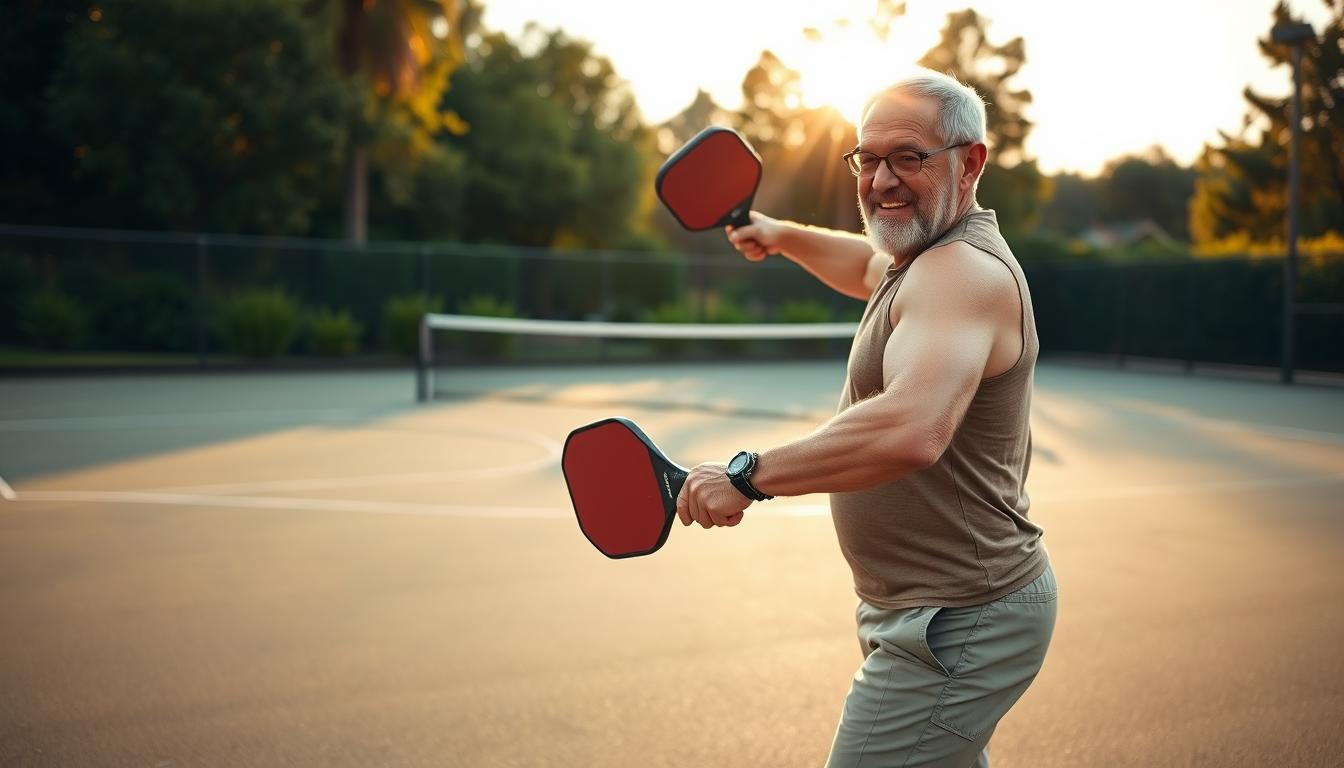
Can one well‑built drink speed up muscle repair and keep you moving through match week?
This post gives clear, practical guidance and tasty recipes made for the aging athlete. You will learn how a single smoothie can combine hydration, carbs to refill glycogen, and protein for repair.
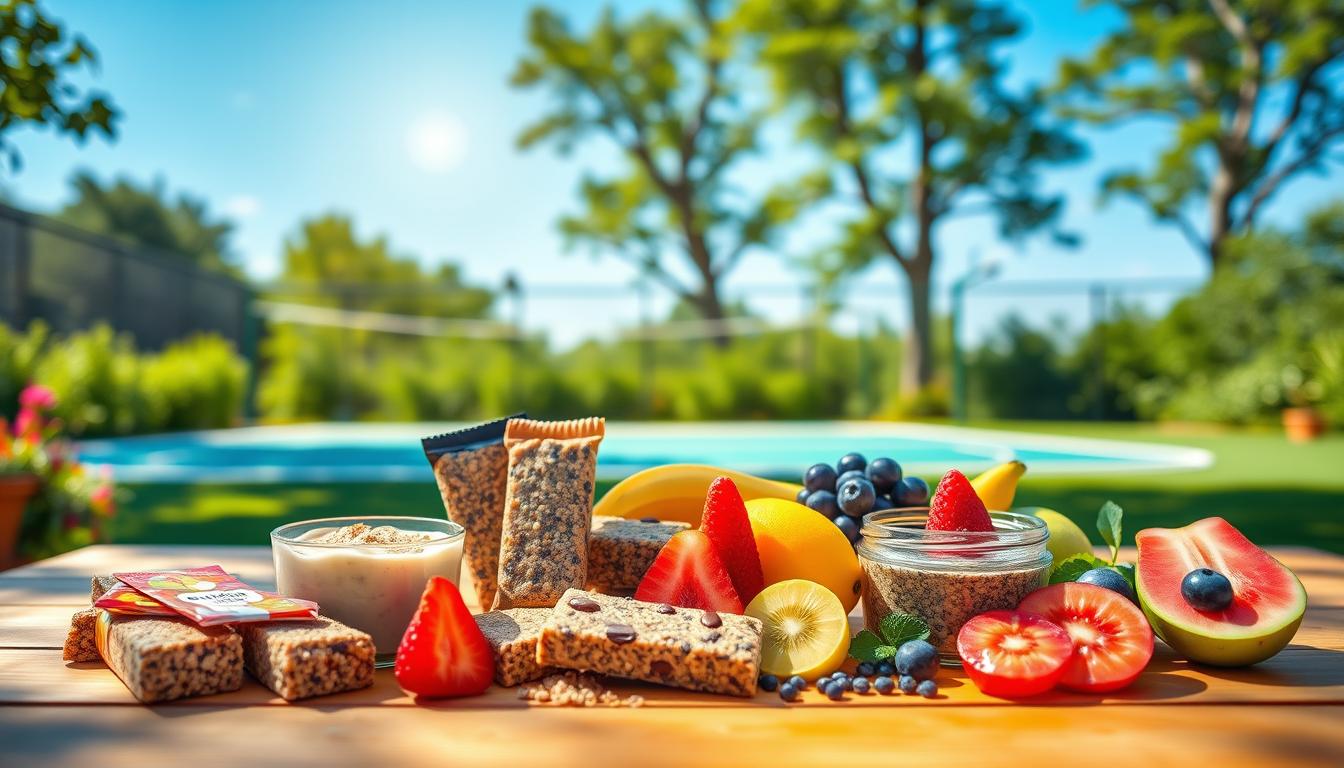
We focus on electrolyte bases like raw coconut water (think Harmless Harvest), antioxidant fruits such as blueberries, and greens like spinach. Coaches also suggest mindful portioning since liquids can bypass fullness.
Expect evidence‑informed choices on protein options, from powders to peanut powder plus oats for an affordable whole‑food boost. Ingredients are U.S. friendly and easy to find at grocery stores.
Preview: we cover why post‑play nutrition matters, timing, top components, three recipes, and easy swaps so you can scale or batch blends between morning, midday, and evening training.
Why Recovery Smoothies Matter for Pickleball Players Over 50
When time is tight, a blended drink can deliver the key nutrients an athlete needs in minutes.
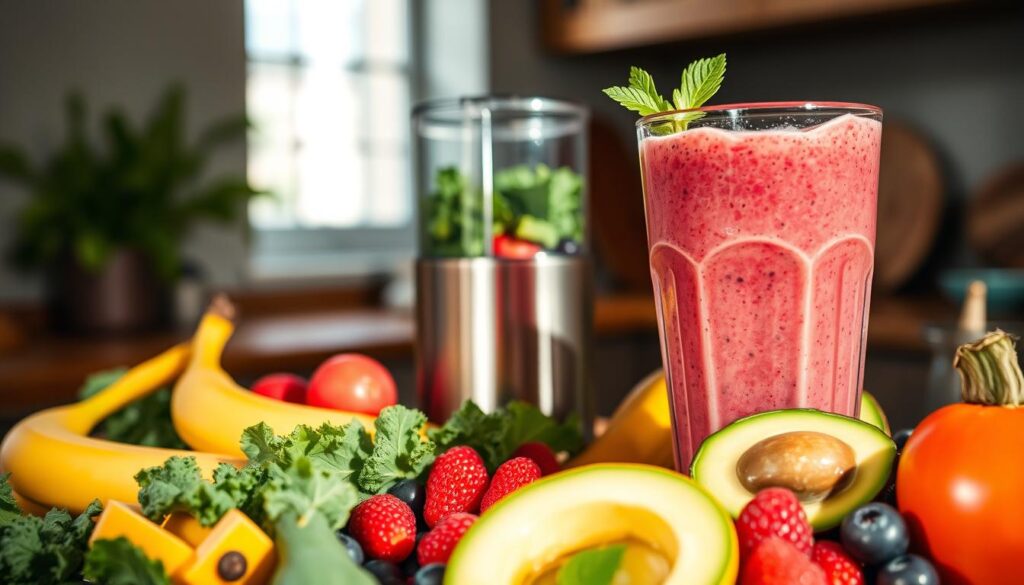
Coaches and practitioners often recommend a post-session drink that combines fluids, carbs, and protein. This approach speeds delivery of what the body needs for repair and rehyration.
- Quick fuel: a single glass replaces glycogen with fruit carbs and supplies protein for muscle upkeep.
- Gentle digestion: blends reduce GI load so older athletes absorb nutrients faster after hard training.
- Antioxidants and greens: berries and spinach help fight oxidative stress and support joint comfort.
- Fiber matters: chia, oats, and spinach add gentle fiber for steady blood sugar without grittiness.
- Hydration and minerals: coconut water and mineral-rich add-ins help reduce cramps and restore fluid balance.
Keep portions sensible so liquid calories don’t outpace goals. A well-timed drink makes it easier to hit protein and carb targets within the practical post-session window.
Post-Game Science and Timing for Optimal Recovery
Optimizing the window after exercise helps the body use nutrients faster. Aim to have your post-workout drink within 60–120 minutes to align with heightened nutrient uptake and muscle repair.
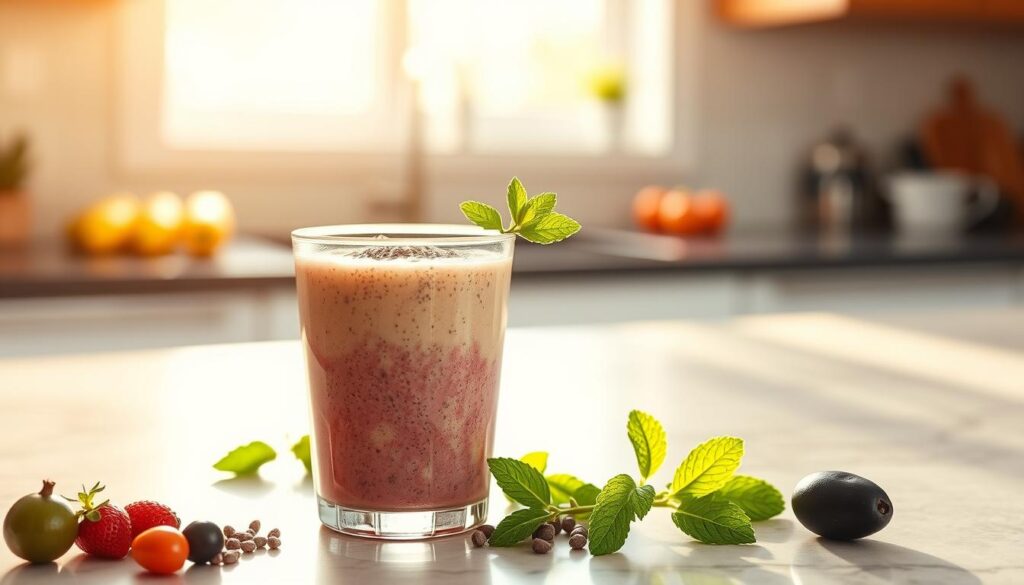
When to drink: the 60–120 minute post-session window
Begin with fluids or an electrolyte base soon after play. Then plan a more substantial post-workout smoothie in the 60–120 minute time frame to support repair and glycogen replenishment.
Protein and carbohydrates your body needs
Pairing protein and carbohydrates helps refill glycogen and repair tissue after a hard workout. For most sessions, target about 30–60 grams of carbs and 15–30 grams of protein. Increase carbs when you finish an intense workout or long match.
Liquid calories caution and portion control
Liquid calories can pass satiety cues. Match portion size to your goals and add fiber or thickness to slow intake. Chia, oats, or a small avocado boost fullness without slowing digestion too much.
- Start with electrolytes, then add 30–60 g carbs and 15–30 g protein.
- Scale macros up for heavier play; scale down for light drill sessions.
- If another workout follows the same day, prioritize carbs sooner.
Monitor soreness and next-day energy to fine-tune this routine—consistency at the same time most days builds a sustainable habit.
Smart Smoothie Ingredients That Support Muscle, Hormones, and Hydration
Choose ingredients that rebuild muscle, balance hormones, and restore fluids with every post-play blend.
Electrolyte-rich bases: raw coconut water vs. plant milks
Raw coconut water delivers natural electrolytes and potassium; prefer minimally processed brands like Harmless Harvest for minimal heat treatment. Use it when sweat loss is high and water replacement matters.
Unsweetened plant milks add creaminess and modest calcium or protein. Pick based on taste and how much hydration your body needs.
Carb sources for glycogen
Banana and pineapple provide quick carbs and more potassium. Oats and cherries add slower-release carbs and polyphenols to support muscle refueling.
Antioxidant all-stars and protein
Blueberries and cacao pack antioxidants that fight exercise-induced stress. Mild greens like spinach raise vitamin and antioxidant density with little flavor impact.
For protein, use raw vegan protein powders, hemp protein or hemp seeds, or a peanut powder + oats combo to round out amino acids and meet body needs.
Micronutrient boosters and flavor tips
Chia gives omega-3s and fiber; maca adds a malty note and traditional hormone support; cinnamon can help with flavor and glycemic response. Use frozen fruits for texture, a pinch of salt when sweating, and read labels for clean protein powders and pure coconut water.
Pickleball vegan over 50 recovery smoothies: three delicious, high-protein recipes
A targeted post-play blend gives the body concentrated carbs, electrolytes, and protein in one glass.
Tropical Electrolyte Recharge
In your blender add 3/4 cup raw coconut water, 1/2 cup pineapple, 1/2 cup banana, 1/2 cup blueberries, and 1/2 cup spinach.
Include 1 tsp maca and 1/2 tsp cinnamon. Optionally add 1 scoop raw vegan protein or 1/4 cup cooked quinoa; blend until silky.
PB-Oat Muscle Builder
Combine 1 cup unsweetened almond milk, 1 frozen banana, 1/4 cup peanut powder (or natural PB), 1/4 cup oats, and 1 cup spinach.
This budget-friendly recipe yields about 22g protein. Swap in 2–3 tbsp hemp to raise protein and add seeds for texture.
Chocolate-Cherry Anti-Inflammatory Smoothie
Add a handful of greens, 1–2 tbsp cacao, 3/4 cup frozen cherries, 1/2 cup avocado, 1 tbsp chia, 1 tsp maca, and enough coconut milk for thickness.
Stir in optional chocolate protein powder for a creamier, dessert-like cup. Blend and enjoy within 60–120 minutes post-play.
- Texture tip: start with less liquid and add by the tablespoon until you like the consistency.
- Scaling: double ingredients in the blender for two servings; blend a bit longer for even texture.
- Prep: freeze fruit in measured bags and keep dry add-ins portioned for quick assembly.
Customize Your Post-Workout Smoothie Like a Pro
A few smart adjustments turn a basic blend into a tool that matches your training load and appetite.
Ingredient swaps and feel free options
Feel free to switch pineapple for mango or banana for extra cherries. Any mixed berries work in place of blueberries to keep antioxidants high.
Use ice or frozen fruit for thickness. Add liquid by the tablespoon to thin, and blend longer to break down seeds and greens.
Protein powder safety and smart choices
Choose protein powders that are third‑party tested and low in additives. Some plant-based powders contain trace heavy metals; rotate sources and pick transparent brands.
“Rotate protein sources and favor tested products to reduce long-term risk.”
Lighter versus higher-calorie blends
To cut calories, skip added fats and use water or plant milk. On long training days, add oats, avocado, or an extra scoop of powder for more energy.
| Option | Pros | Cons |
|---|---|---|
| Protein powder | Fast, measured protein | May contain additives; inspect label |
| Peanut powder + oats | Whole-food, lower fat than nut butter | Needs prep; less concentrated |
| Hemp / chia / seeds | Omega-3s and fiber for satiety | Lower protein per scoop |
Practical way: pre-portion dry add-ins, keep a short swap list, and tune blends by how your body feels the next day.
Conclusion
Make a go-to cup that blends electrolytes, water, carbs, and protein so you can rehydrate and fuel muscle soon after play. Aim to drink your recovery smoothie within the 60–120 minute post-session window for best effect.
Choose a base like raw coconut water or a plant milk, add carbohydrate fruits such as pineapple and banana, and include a reliable protein source—raw vegan protein, peanut powder plus oats, or hemp all work. Keep an eye on liquid calories by starting with about 1 cup liquid and adding fiber or seeds for satiety.
Small choices add up: blueberries and cacao give antioxidants, greens add vitamin support, and a consistent cup with clear ratios makes this an easy habit. Put a short list of favorite blender combinations on your fridge so you can mix a high protein post-workout smoothie quickly after a hard workout.