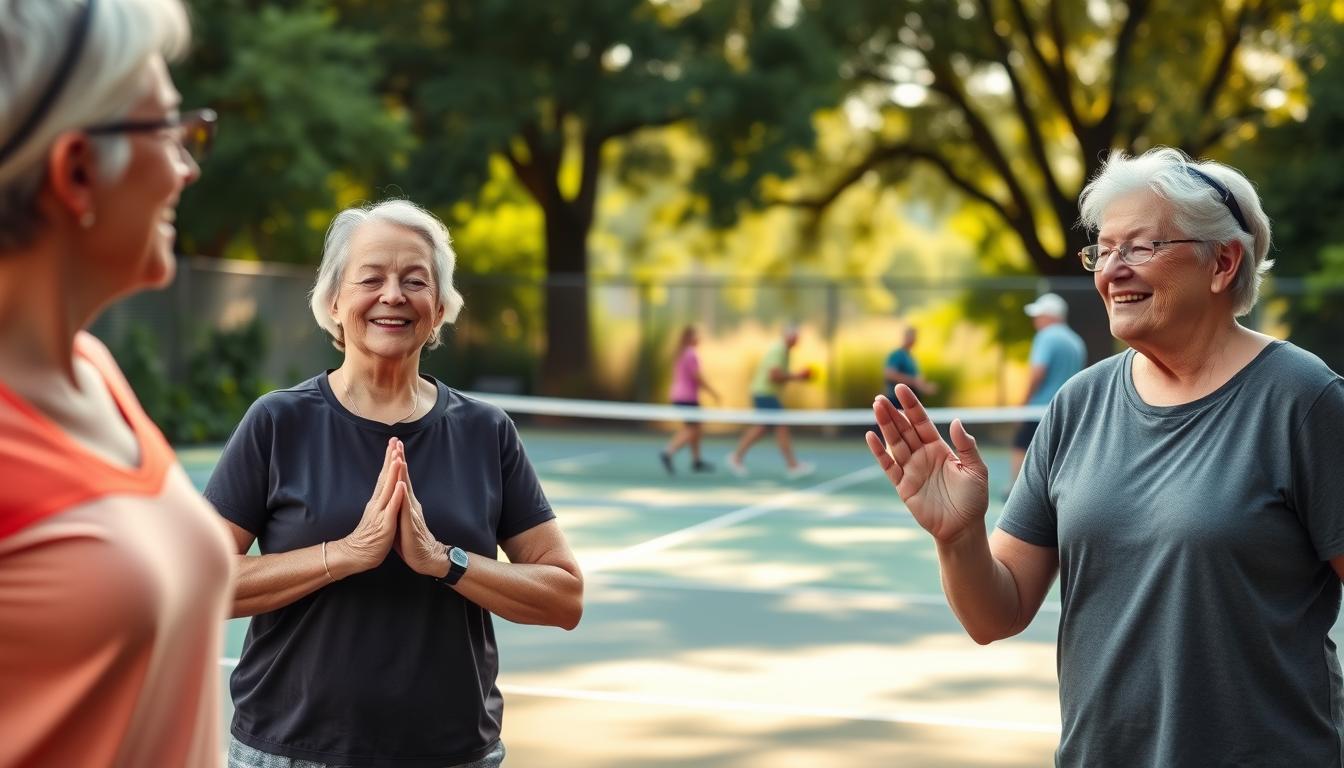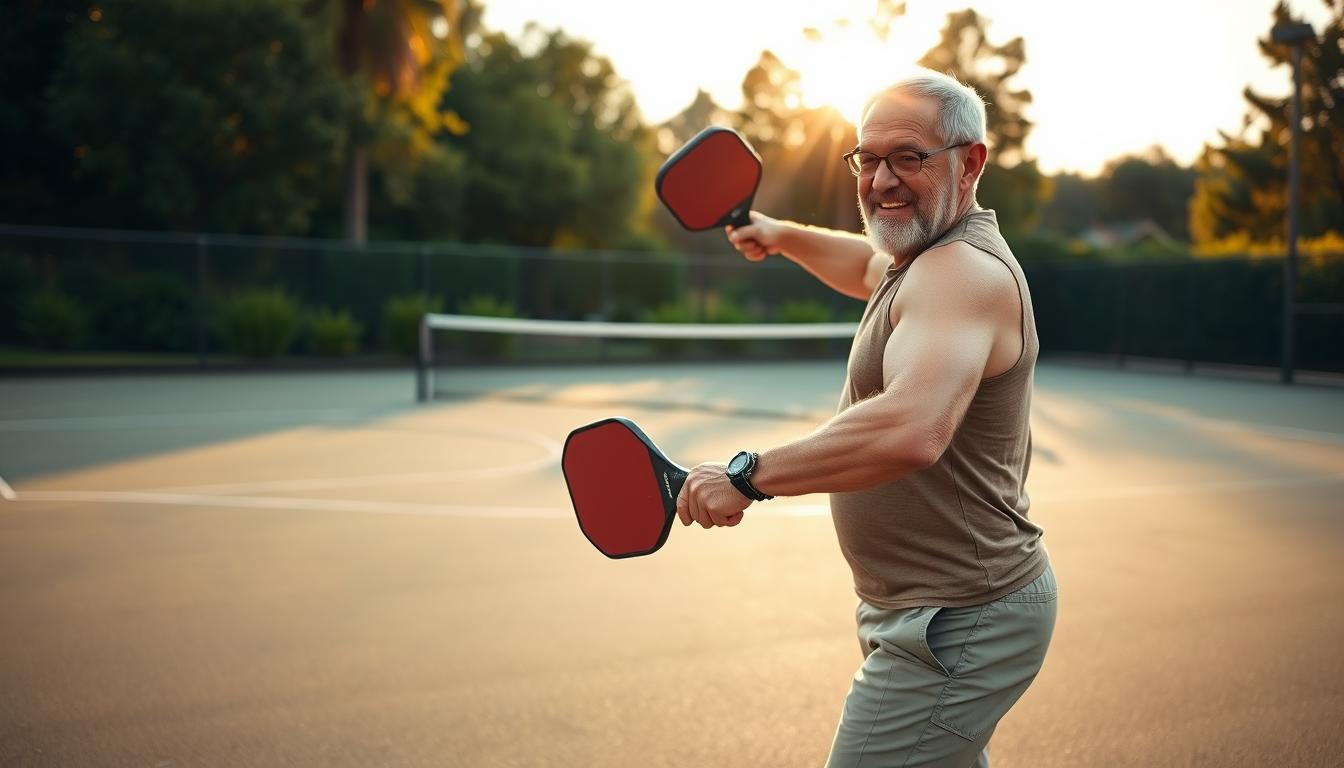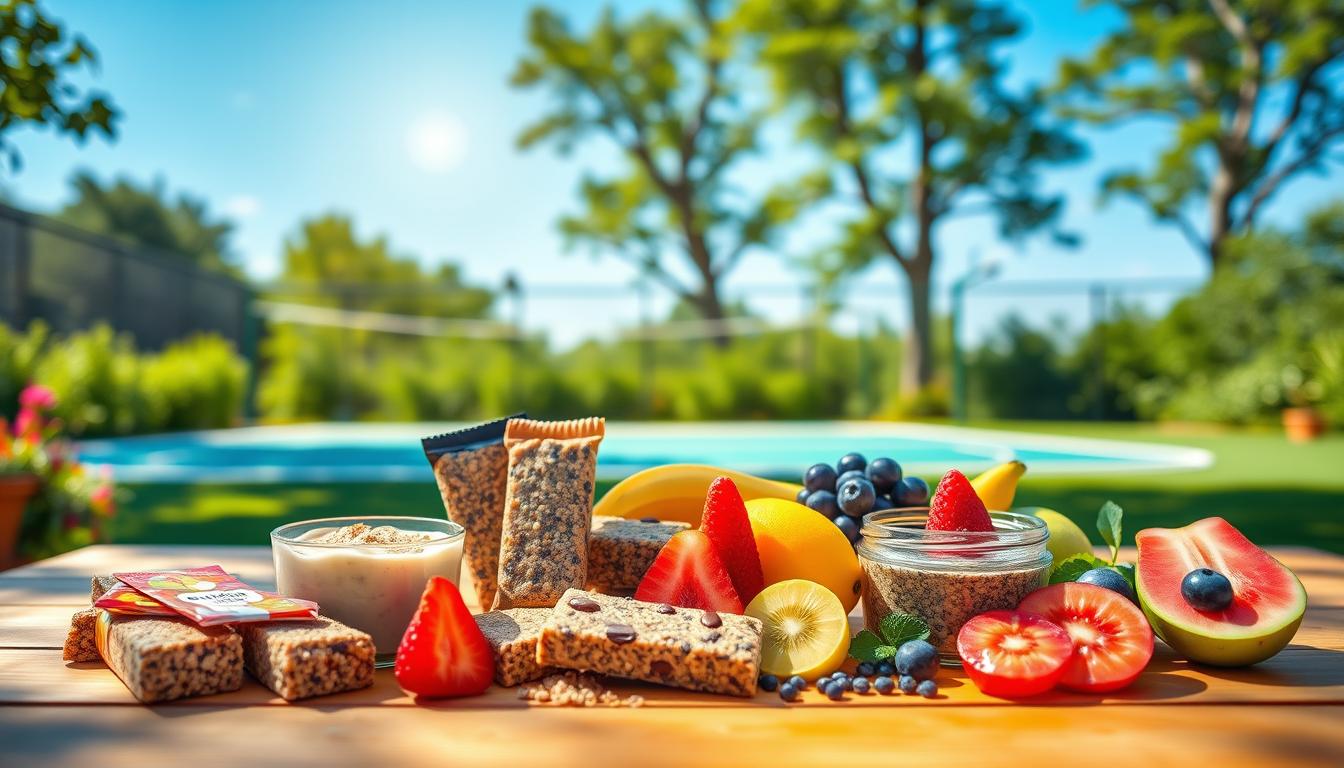
Can a few simple habits keep your joints strong and let you enjoy the game for years? This guide lays out clear, practical steps that adults can use today to protect joints and keep moving with confidence.
We explain why prevention matters for this sport and how small, consistent habits boost your body’s response to quick starts and stops. You will learn core risks for players, common pain triggers on the court, and realistic routines that fit busy schedules.
The plan blends court prep, joint-friendly mechanics, and recovery with vegan nutrition essentials to strengthen tissues and lower joint pain without sapping energy. Expect checklists you can use before play, during rallies, and after matches to cut strain and spot issues early.
Focus on whole-body care: warm ups, technique, and supportive gear help reduce injuries and keep each session enjoyable. Follow these steps and you can protect your mobility, sustain your health, and stay active with friends for a long time.
Why arthritis prevention matters for pickleball adults over 50 right now
Active joint care matters now because rising osteoarthritis rates and a surge in court participation are changing the injury landscape for older players.
Osteoarthritis is common and growing among older adults
Osteoarthritis affects 32.5 million Americans today and could reach 78 million by 2040. That trend makes joint health a practical concern for anyone who wants steady play without long layoffs.
Rapid growth of the game and injury trends in the United States
The sport is the fastest-growing court activity in the U.S., with more than 8.9 million players. Quick starts, stops, and direction changes raise risk for knee, hips, and shoulder problems.
- Injury types include rotator cuff irritation, ankle sprains, leg strains, and occasional fractures.
- A 2023 analysis estimated 66,750 emergency visits and 366,000 outpatient visits tied to the game.
- Medical costs linked to these injuries have been projected near $350 million.
| Risk Factor | Common Injury | Quick Mitigation |
|---|---|---|
| Sudden direction change | Ankle/leg sprain | Controlled footwork, graded exposure |
| Repeated overhead shots | Rotator cuff irritation | Prehab, lighter paddle, rest |
| Poor footwear | Knee stress | Surface-matched shoes, orthotics |
Warm up, move, and recover: How-to protect knees, hips, and shoulders on the pickleball court
A ten-minute warm-up prepares muscles and nerves so you move safer and stay in the game longer.
Dynamic warm-up in 10 minutes
Begin with a slow jog in place or jumping jacks for 2–3 minutes to raise heart rate and activate muscles. Follow with arm circles and shoulder rotations. Increase circle size, then reverse direction.
Finish with controlled leg swings while holding a wall for balance, repeating on both sides. This sequence primes motion and readies joints for quick swings.
Movement cues that cut joint stress
- Use shorter steps into the ball and controlled lunges to lower load on the knees and the planting leg.
- Keep balanced stops and light foot turnover to preserve balance and reduce sudden strain.
- Between points, shake out the arm and do quick ankle or hip rocks to reset posture.
Build shoulder resilience
Do light rotator cuff isometrics and scapular retraction sets before serves. Gentle motion drills prime the shoulders and maintain strength without forcing range.
Cooldown and common pitfalls
After play, walk a few minutes and stretch calves, quads, hips, and upper back to limit stiffness and swelling.
| Action | Why it helps | Quick tip |
|---|---|---|
| 10-minute dynamic warm-up | Prepares muscles and nervous system, lowers injuries | Mix jog, arm circles, leg swings |
| Short steps & controlled lunges | Reduces abrupt knee and leg loads | Step toward the ball, not past it |
| Rotator cuff and scapular work | Builds shoulder stability and strength | Use light resistance or band |
| Post-play cooldown | Limits stiffness and swelling | Walk, breathe, gentle stretches |

Pickleball vegan over 50 arthritis prevention
Food, weight, and simple strength work form a practical plan to keep joints moving and limit flare-ups.
Center meals on high-protein plant staples like tofu, tempeh, edamame, and lentils to build muscles and strength. Strong muscles give extra support to knees, hips, and shoulders and improve balance on the court.
Add ALA sources such as ground flaxseed, chia, and walnuts alongside antioxidant-rich berries and leafy greens. These choices help the body manage everyday training stress and lower routine pain.
- Even modest weight loss cuts load on hips and knees and makes play easier to sustain.
- Prioritize calcium-fortified milks, calcium-set tofu, tahini, plus vitamin D and B12 from fortified foods or supplements as your clinician advises.
- Schedule a light carb-plus-protein snack 60–90 minutes before activity and a balanced recovery meal within an hour or two after play.
- Hydrate steadily; add electrolytes only for long matches in heat.
Pair nutrition with simple resistance exercise 2–3 times weekly—bands, bodyweight moves, or light dumbbells—to boost motion control and reduce common overuse issues. Low-impact starters like water sessions or cycling help people rebuild capacity before higher-intensity court activity.
| Focus | Why it helps | Quick action |
|---|---|---|
| High-protein plants | Builds muscles that stabilize joints | Plate with tofu/legumes at two meals |
| Omega-3 ALA & antioxidants | Reduces training stress and flare-ups | Add flax, walnuts, berries daily |
| Meal timing & hydration | Aids repair and joint lubrication | Snack 60–90 min pre; hydrate all day |
| Resistance & low-impact work | Improves strength, balance, and motion | 2–3 sessions weekly; swim or cycle to start |
Smart gear, court choices, and medical guidance for safer play
The right shoes, a lighter paddle, and prompt care help reduce strain and keep matches enjoyable.
Match your shoes to each court surface. For indoor courts, pick shoes with softer, thinner soles and light outsoles that offer controlled give. For outdoor courts, choose durable models with a modified herringbone tread for balanced traction and safe pivoting.
Shoes that suit the surface
Indoor soles should feel flexible and help grip smooth floors. Outdoor footwear needs tougher construction so it lasts on rough surfaces without losing support.
Lighter paddles to reduce arm and shoulder stress
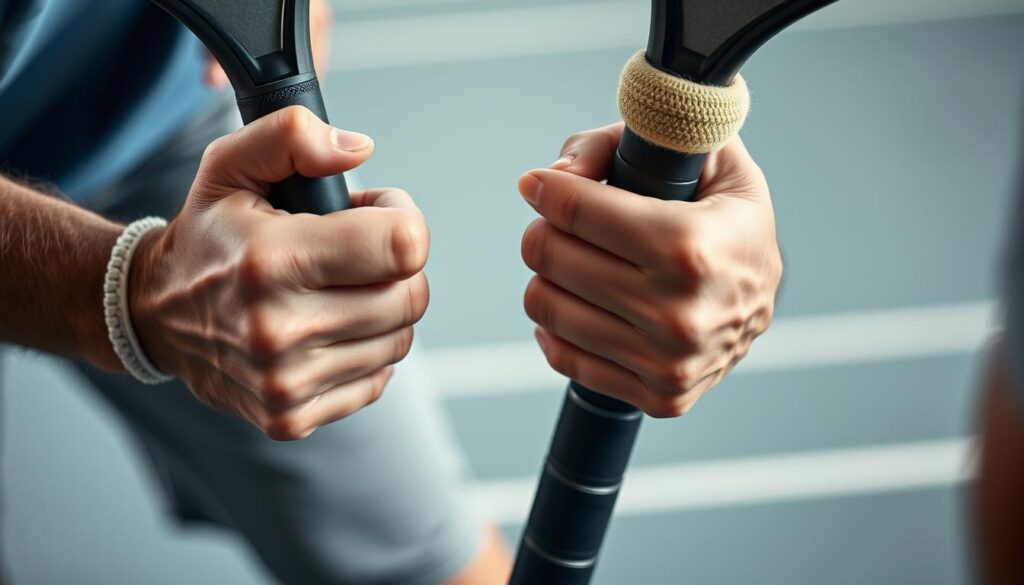
Use a lightweight paddle near 7.5 ounces or less to cut cumulative stress on the arm and shoulder during long sessions. If overhead serves irritate the cuff, try different grip sizes and paddle balance to reduce peak loads while you build strength.
See an orthopedist and know when to use RICE
“Early assessment prevents small problems from becoming long setbacks.”
If you tweak something, follow RICE: rest, ice 10–20 minutes, compression, and elevation. Schedule an orthopedist visit to review history, current activity, and gear choices. Targeted adjustments often stop repeat injuries and support steady training.
- Keep a small kit courtside: elastic wrap, instant ice, and a spare insole.
- Borrow useful ideas from tennis and other sports, but pick sport-specific tread and paddle choices for each court.
- Reassess gear each season; small fit or surface shifts change load and risk for players.
Conclusion
Make durability the goal: small, repeatable steps keep muscles ready and lower the chance of lingering pain.
Pair a quick dynamic warm-up with smart court habits and short strength sessions. This combination protects joints and cuts strain during play.
Pick shoes and a paddle that match your surface and needs. Tiny gear changes often reduce stress on hips, knees, shoulders, and leg muscles.
If joint pain or swelling returns, scale session time, change movements, or add cross-training. Early tweaks stop small issues from becoming lasting injuries.
Keep routines consistent, hydrate, sleep well, and check with a clinician when needed to protect long-term health and enjoy more time on the court.