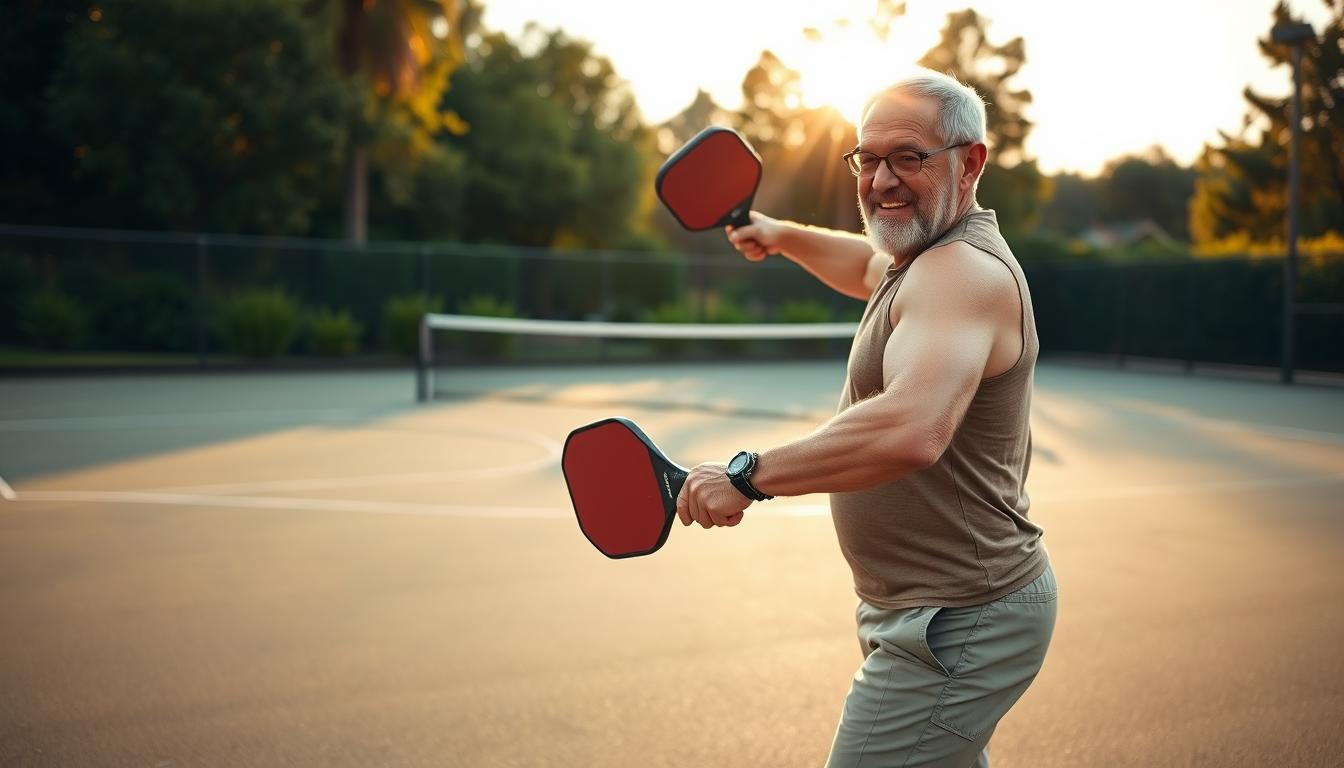
Can one simple evening routine keep your body fresh for the next match and extend your time on the court?
After a late game, your muscles need a clear plan to heal. As we age, the body no longer bounces back automatically, so a stepwise approach matters. This guide lays out what to do right after play, in the first hour, later that evening, and just before sleep.
Plant-based athletes can support repair with strategic protein, carbs, and anti-inflammatory fats. Tools like massage guns (used by 37.4% of players), foam rollers, compression gear, and electrolytes fit neatly into a short routine.
We’ll keep science simple: activity causes microtears; nutrition, hydration, circulation work, and rest rebuild stronger. Expect practical checklists for quick cool-downs, grab-and-go snacks, circulation techniques, and a pre-bed wind-down that works on busy weeknights.
Why Nighttime Recovery Matters More After 50
Late-evening wear and tear on the body needs a targeted plan to mend and reset. Every match creates tiny microtears in muscle and connective tissue. These microtears are normal, but they require time and the right inputs to rebuild stronger.
The science is simple: exercise drives inflammation that signals repair. After age-related shifts—slower collagen turnover and reduced anabolic signaling—the same stress can hang on longer and raise injury risk.
Better evening habits help reduce inflammation, preserve flexibility, and support long-term performance on the court. Good sleep boosts hormone release tied to muscle remodeling. Circulation techniques like foam rolling, baths with Epsom salts, compression, or a short massage speed nutrient delivery and waste removal.
| Issue | Why it matters | Evening fix | Benefit next day |
|---|---|---|---|
| Microtears | Need protein and rest to rebuild | Refuel + 10–20 min mobility | Stronger muscle and less soreness |
| Stiff connective tissue | Limits range of motion | Static stretching and light heat | Improved flexibility and swing mechanics |
| Lingering inflammation | Raises injury risk | Hydration, anti-inflammatory foods, circulation | Lower pain and better performance |
| Poor sleep | Blocks repair hormones | Wind-down routine and stable temp | Deeper sleep and tissue remodeling |
Keep the approach consistent and short. Ten to twenty minutes after late matches is enough to make a difference. Small, regular steps protect joints and help you play more seasons of the sports you love.
Your Evening How-To Routine: From Post-Match to Lights Out
A short, reliable evening plan helps your muscles settle and prepares you for the next match.
Right after the game, walk 3–5 minutes to lower heart rate. Follow with 8–10 minutes of static stretches: calves against a wall, seated hamstrings, standing quads with support, hip openers, and doorway shoulder stretches.
Breathe smoothly and hold each stretch 15–30 seconds. Focus on the areas that felt busiest during play so the body does not stiffen as the hours pass.
Within the first hour
Sip water enhanced with electrolytes to replace sodium and potassium lost in sweat. Take small sips rather than big gulps to limit bathroom trips.
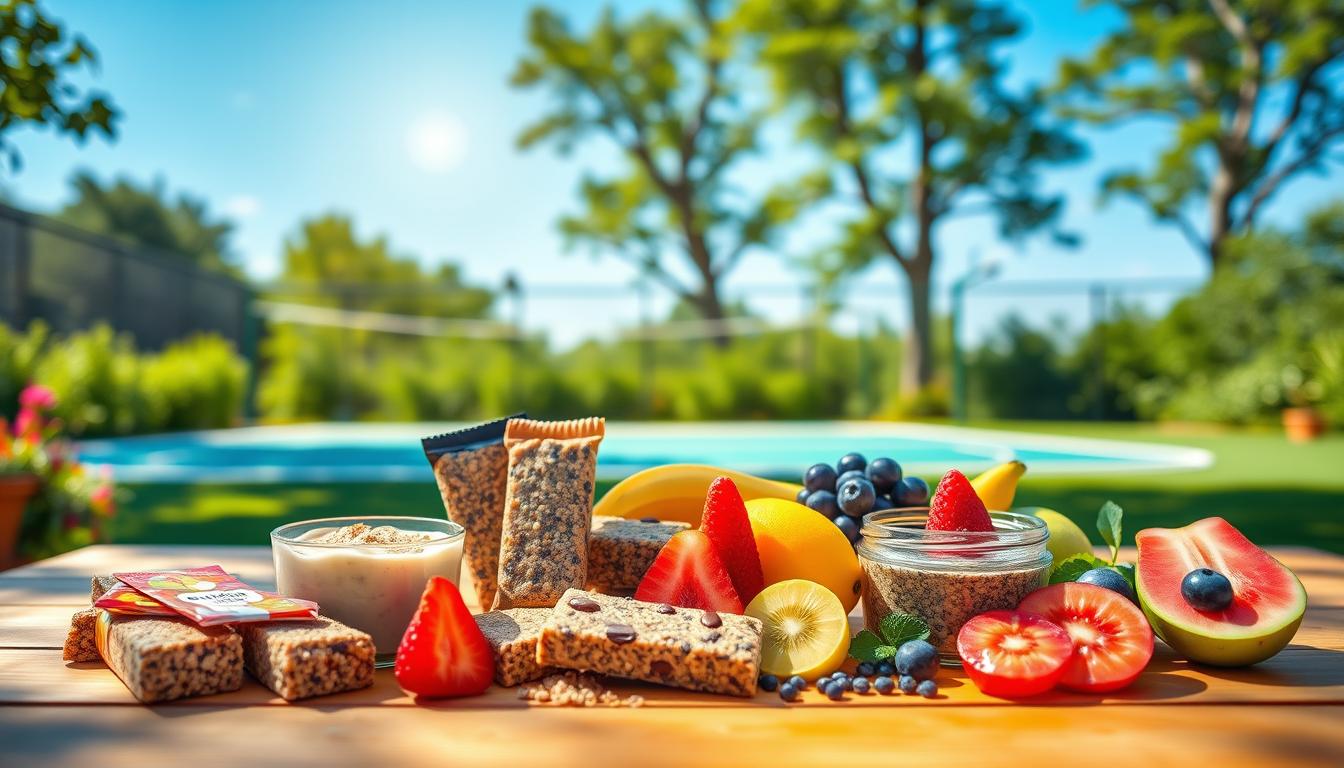
Refuel with a quick plant-based snack to support performance tomorrow: a soy or pea protein smoothie with banana and oats, or tofu with quinoa and greens. Pair carbs and protein to jumpstart muscle repair.
Later in the evening
Spend 6–10 minutes on foam work or a massage device for common hotspots: calves, quads, hips, and shoulders. Start with light pressure and increase as comfortable.
If you use a massage gun, choose a soft or ball head and glide slowly for 30–60 seconds per spot to avoid irritating sensitive tissue.
Pre-bed wind-down
Use a warm shower or heating pad on stiff regions, add 3–5 minutes of diaphragmatic breathing, and consider light compression socks to boost blood flow without discomfort.
| Step | What to do | Time | Benefit |
|---|---|---|---|
| Cooldown walk + stretches | Walk 3–5 min; 8–10 min static holds | 11–15 minutes | Lower soreness, maintain mobility |
| Hydration + refuel | Sip water with electrolytes; protein + carbs snack | Within 60 min | Replace losses, start muscle repair |
| Circulation work | Foam roll or massage gun 6–10 min | 6–10 minutes | Reduce tightness, improve flow |
| Wind-down | Heat, breathing, light compression | 5–10 minutes | Promote sleep and tissue repair |
Hydration Done Right at Night
A small, steady intake of fluids after play balances minerals and supports muscle function through the night.
Balancing water and electrolytes matters because sweat depletes sodium and potassium. These minerals keep nerves and muscles firing. Replacing them helps curb calf cramps and supports overnight recovery.
Balancing water and electrolytes to curb cramps and improve recovery
After a late match, aim for a mix of plain water and an electrolyte source to restore fluid and mineral levels. Low-sugar electrolyte tablets or diluted sports drinks work well.
Smart sipping schedule: small, frequent intake without disrupting sleep
Sip steadily from post-game to about two hours before bed to rehydrate without repeated wake-ups. Pale, straw-colored urine by bedtime is a simple check that levels are back on track.
- Pair fluids with a small carb-plus-protein snack to boost absorption and aid recovery.
- Rotate beverages—water, coconut water, or diluted sports drinks—to manage sugar and taste.
- Include magnesium-rich foods if you get cramps; they help muscle relaxation.
- Keep a small bedside bottle for a quick sip if you wake, but avoid large volumes right before sleep.
- On hot days or tournament stretches, begin rehydrating immediately after the match and continue through the evening to stabilize performance.
Vegan Night Nutrition to Reduce Inflammation and Rebuild
What you eat in the 30–60 minute window can shape how your body heals and performs tomorrow.
Plant proteins and complex carbs for muscle repair and glycogen
Within 30–60 minutes after a match, pair a solid plant protein with a complex carbohydrate. This combo helps muscle protein synthesis and refills glycogen stores for better next-day performance.
Choose complete or complementary sources like tofu, tempeh, edamame, soy or pea protein powder, or a quinoa + black bean plate.
Anti-inflammatory add-ins: omega-3-rich foods and magnesium sources
Add algae-based omega-3s or a teaspoon of ground flax or chia to reduce inflammation and support joint comfort. Colorful vegetables supply antioxidants that calm oxidative stress.
Include magnesium-rich snacks—pumpkin seeds, leafy greens, or lentils—to help muscles relax and lower cramp risk while you sleep.
Quick vegan nighttime snacks and smoothies for the 30-60 minute window
- Whole-grain toast with almond butter and banana.
- Oats with soy milk, walnuts, and berries.
- Smoothie: soy or pea protein, oats, frozen berries, spinach, and a tsp of flax; blend with water or fortified plant milk.
Keep sugars moderate, hydrate with a small amount of water, and prep single-serve options so you can refuel fast and wake feeling fresher for the next match.
Stretching, Foam Rolling, and Massage for Tight, Tired Muscles
A compact set of stretches and gentle tissue work can ease soreness and restore range of motion. Use slow breathing and light pressure to help the body settle while improving blood flow and flexibility.
Target zones for court players
Focus on calves, quads, hips, shoulders, and the thoracic spine. These areas commonly show tightness after play and respond well to soft tissue work.
How to foam roll safely at night
Start with gentle foam rolling for 30–60 seconds per area. Avoid direct pressure on bony spots and the Achilles. Pause on a tender knot up to 20 seconds, then glide again to ease tension.
Using a massage gun
Choose a soft ball or dampener head for large muscle groups and a small tip for precise spots. Keep speeds low-to-medium in the evening and move the tool continuously. Aim for about 45–60 seconds per muscle group to raise local blood flow without overstimulating the nervous system.
Short guided sequence (8–12 minutes)
- 2 minutes: calves and lower-leg foam work.
- 3 minutes: quads and hips—figure‑4 glute release included.
- 2 minutes: lats and shoulders with gentle massage.
- 1–2 minutes: thoracic rotations and a final stretch hold.
Pro tip: If one side feels tighter after play, give it 10–20% more time but keep balance across both sides to protect long-term performance and reduce pain.
Ice, Heat, and Compression: When and How to Use Each
Choosing ice for swelling or warmth for tightness helps you match treatment to how your body feels.
Use ice for acute swelling and inflamed joints right after play. Apply a cold pack or 10–15 minute ice session to knees, ankles, or a sore shoulder. Always place a thin barrier between skin and ice.
Reserve heat later in the evening to relax muscles and boost circulation. A warm shower or Epsom salt soak eases tight muscles and supports gentle blood flow as you wind down.
Alternating cold and heat can help stubborn soreness. Try brief cold followed by warmth to move fluid and ease pain.
- Slip on compression socks or calf sleeves soon after play to support blood and reduce next-day heaviness.
- Combine compression with short ankle pumps or a gentle walk to improve venous return and flow.
- Avoid cold on numb skin and skip high heat on inflamed joints; pick the modality that matches current symptoms.
Treat these as supportive recovery methods and pair them with hydration, nutrition, and light tissue work for the best overnight benefit.
Sleep Optimization for Better Overnight Recovery
Sleep is the engine room where most tissue repair and mental reset happen after a long match. Aim for consistent timing and a short wind-down so hormones and circulation can do their work. A clear plan makes the most of the hours you have.
Setting a sleep plan: timing, temperature, and pre-sleep routine
Choose a steady bedtime that fits your training and match schedule. Allow 60–90 minutes to slow your heart rate and thoughts before lights out.
Keep the bedroom cool and dark and avoid heavy meals or large fluids right before bed. This helps the body focus on repair rather than digestion.
Limit screens; use blue-light filters or switch to audio-only content during your wind-down. If a late game leaves your mind active, start the routine as soon as you get home.
Magnesium and mindfulness: easing tension for deeper rest
Add 5–8 minutes of guided breathing or visualization to reduce residual tension. Try nasal inhales for four counts and slow exhales for six to extend relaxation.
Consider evening magnesium from food or a supplement to support muscle relaxation and sleep depth. Pair it with a light stretch for added benefit.
- A brief compression session earlier in the evening can aid blood flow; remove garments if they feel uncomfortable at bedtime.
- Use visualization to “close the loop” on a match: picture a clean play, then let the scene fade while you breathe.
- Keep a notepad bedside to offload tasks so worries don’t steal sleep—the biggest performance multiplier you control.
Pickleball vegan over 50 night recovery: Build Your Personalized Plan
Start by noting which areas feel tight and rank them so you know what to treat first.
Do a quick evening check-in: scan calves, quads, hips, shoulders, and spine. Score each area 1–10 for tightness. Use the scores to prioritize your recovery methods and save time.
Assess sore spots and match tools to body needs
Match tools to symptoms. Use heat and gentle stretching for muscle-dominant stiffness. Apply brief cold to puffy joints. Reach for a foam roller or massage ball for widespread soreness.
Assemble a grab-and-go recovery bag
- Compact foam roller or travel roller ball and a mini strap for stretches.
- Lightweight compression sleeves and electrolyte tabs.
- Shelf-stable plant protein snack and a small algae omega-3 sachet for inflammation support.
Weekly rhythm: balance rest, mobility, and strength
Create two presets—“Quick” (8–10 minutes) and “Full” (15–20 minutes)—to keep a consistent recovery routine after any game.
Schedule one true rest day, one light mobility session, and two short strength sessions each week. Focus on squats, lunges, and calf raises to build strength and protect joints used on court.
- Track tightness across the week. If calves score high, add extra foam rolling minutes there.
- Use compression 60–90 minutes after long play; remove if it feels restrictive before bed.
- For travel, pre-pack protein, electrolytes, and omega-3 to ensure effective recovery away from home.
Conclusion
Finish each match with a short, dependable routine and you’ll notice steady gains in how your body feels and performs.
Align cooldown stretches, water with electrolytes, a quick protein-carb bite within 30–60 minutes, and brief foam or massage work to make sensible recovery choices.
Stacking these small steps reduces tension, supports muscle remodeling, and helps blood flow so you wake with less stiffness and more spring.
Keep a simple kit and a two-level plan—short when pressed, fuller when you have time—and add weekly strength work to protect joints and build strength.
Start tonight with the shortest version: a walk, a sip, a snack, and 8–12 minutes of gentle tissue care. Momentum beats perfection and it keeps you playing more pickleball for longer.