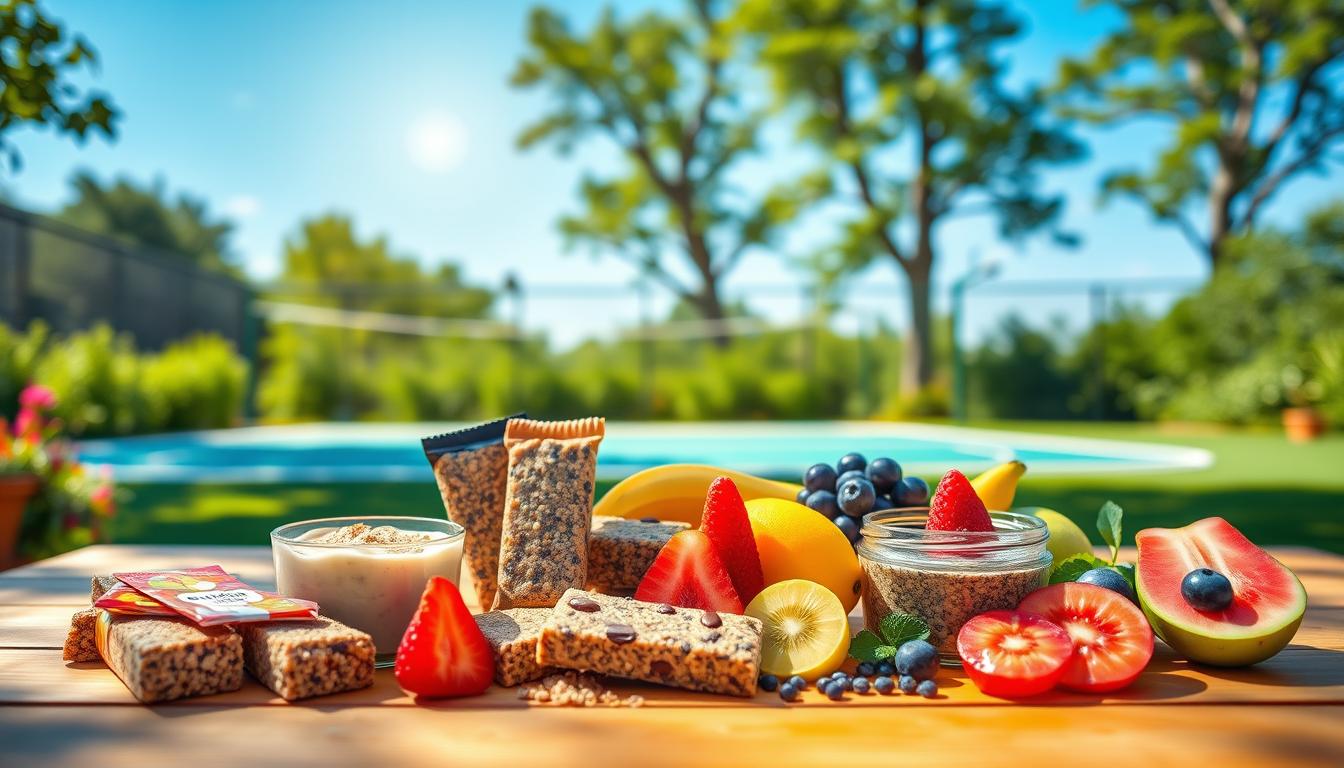
Can a few smart snacks and timing tricks keep you sharp on the court after 50?
This short guide helps active adults playing pickleball find practical ways to stabilize energy levels while supporting recovery and joint-friendly play.
Your body turns calories from food into fuel for movement and vital tasks. Choosing complex carbs, lean plant protein, and healthy fats makes a vegan diet work for sport.
We focus on foods and snacks that give a quick boost without a sugar crash. Expect options matched to pre-, mid-, and post-match needs.
Research and study back picks like bananas, oats, legumes, nuts, and seeds. Hydration and smart caffeine timing can improve alertness throughout day.
Small shifts — frozen fruit for convenience, fiber-rich whole grains, and better portion timing — can lift stamina and recovery. Save this list and use it before match nights or tournaments.
Why energy slumps happen during the day for active adults
Many active adults notice predictable dips in vigor mid-morning and mid-afternoon as the body cycles fuel and recovery needs.
Sleep, hydration, and meal timing effects
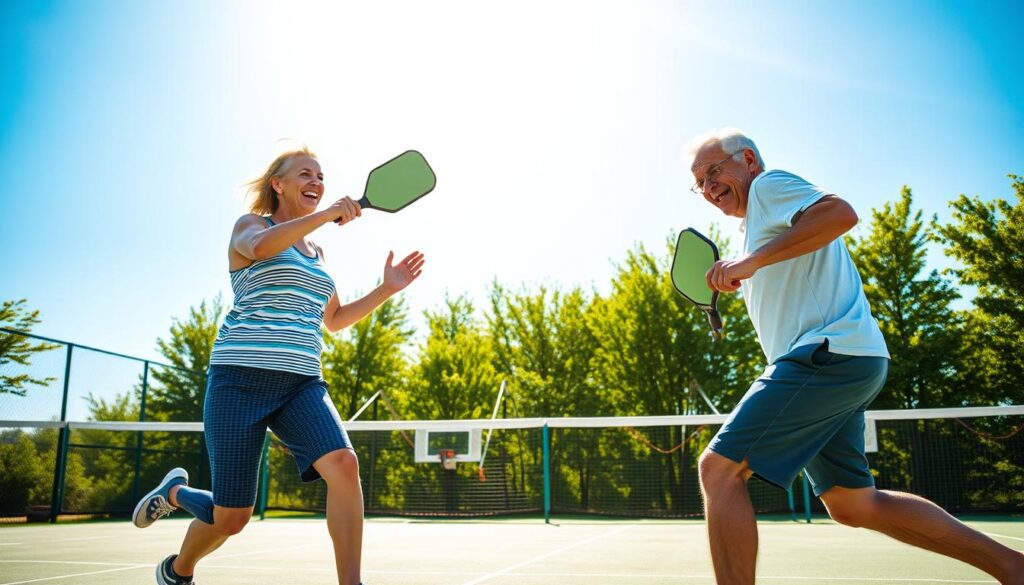
Sleep debt, hydration, and what you eat shape how high your energy and focus feel throughout day. Low fluid levels lower blood volume, which can drop blood pressure and reduce oxygen delivery. That leaves you irritable or sluggish on the court.
Large, infrequent meals send more blood to digestion and can create a sharp spike—and then a crash—in blood sugar. Eating smaller meals or timed snacks helps keep levels steadier and supports game-day stamina.
| Factor | Effect | Quick fix |
|---|---|---|
| Hydration | Lower blood volume, less oxygen | Drink 8–12 oz every 1–2 hours |
| Meal timing | Digestion diverts fuel; sugar spikes | Smaller meals every 3–4 hours |
| Caffeine timing | Peaks in 30–60 min; late use harms sleep | Wait until ~10 a.m. for first cup |
Research links processed food and added sugar to greater fatigue. Aim for five daily portions of fruits and vegetables to supply nutrients, fiber, and a steady metabolic boost. Small routine changes — a drink sooner, a timed snack, or a short walk after meals — often produce fast, noticeable improvements for adults 50+.
Vegan instant energy essentials for pickleball performance
For players over 50, the right mix of carbohydrates and whole foods keeps you moving stronger through a match.
Simple vs. complex carbohydrates
Simple carbs — like sugared snacks — raise blood sugar fast and can cause a quick crash. Complex carbs contain starch and fiber, so they digest slower and support sustained energy levels.
Choose oats, quinoa, brown rice, and sweet potatoes before play. Pair them with a plant protein and a bit of fat to slow digestion and keep you steady on court.
Anti-inflammatory foods to stay steady and focused
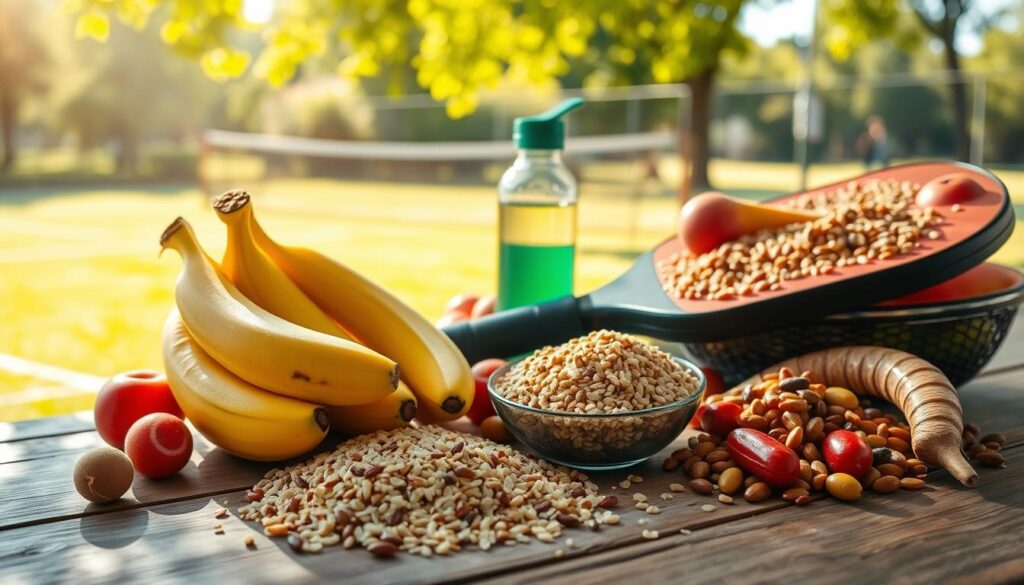
Fruits, vegetables, legumes, nuts, and seeds supply vitamins and nutrients that help metabolic efficiency and joint comfort.
Bananas can match a carbohydrate drink for endurance and add potassium for muscle function. Frozen fruit and pre-cooked whole grains are smart, time-saving sources that keep nutrients intact.
“Whole, unprocessed foods reduce inflammation and support better play and recovery.”
| Food group | Benefit | Good source |
|---|---|---|
| Whole grains | Slow-release carbs, fiber | Oats, quinoa |
| Fruits & veggies | Vitamins, antioxidants | Bananas, berries |
| Legumes & nuts | Protein, anti-inflammatory fats | Lentils, almonds |
Quick vegan instant energy snacks you can grab before a match
A small snack 30–60 minutes before play can sustain focus and help muscles perform. Aim for a mix of carbs plus a little protein or healthy fat to slow digestion and stabilize levels through warmups and early rallies.
Banana with peanut butter for sustained energy and potassium
A banana paired with a tablespoon of peanut butter gives fast carbs plus fat and protein. Studies show bananas can match a carbohydrate drink for endurance when timed before exercise.
Whole grain toast topped with nut butter and sliced fruit
One slice of whole-grain toast with nut butter and banana or berries blends complex and simple carbs. This snack adds fiber and protein to help maintain levels without excess calories.
Oats with frozen berries and a drizzle of peanut butter
Quick oats supply complex carbs, fiber, and a bit of protein for long-lasting fuel. Use frozen berries — they are often as nutritious as fresh and save prep time.
Raisins and mixed nuts for a portable energy boost
A small mix of raisins and mixed nuts is pocket-friendly and courtside-ready. Raisins provide quick carbs and minerals; nuts bring protein, healthy fats, and satiety.
| Snack | Quick benefit | When to eat |
|---|---|---|
| Banana + peanut butter | Fast carbs + potassium; steady release with fat | 30–60 minutes pre-match |
| Whole-grain toast + nut butter + fruit | Complex carbs, fiber, protein balance | 45–60 minutes pre-match |
| Oats + frozen berries + peanut butter | High fiber, sustained calories, portable | 60 minutes or earlier |
| Raisins + mixed nuts | Quick carbs and minerals; sustained fats and protein | During long matches or 20–30 minutes before need |
Tip: Keep portions moderate, limit added sugar, and test timing (30–60 minutes) to find what gives you the best on-court performance.
Smart carbs and whole grains for steady, sustained energy
Slow-release carbohydrates from whole grains and tubers help maintain steady performance during long matches.
Swapping refined carbs for whole grain choices—oats, quinoa, and brown rice—adds fiber that slows digestion. That steadier fuel supports stable blood sugar and fewer mid-game dips in focus and power.
Oats and oatmeal ideas to stabilize blood sugar
Rolled or steel-cut oats digest slowly and deliver lasting fiber. Try a bowl with nuts, seeds, and berries for added protein and antioxidants.
Oatmeal at breakfast or 60+ minutes before play gives steady carbs and helps warmups feel easier.
Sweet potatoes as a versatile, slow-release carbohydrate source
Sweet potatoes are a flavorful slow-release carbohydrate and a rich source of vitamins and minerals. They work well mashed, roasted, or topped with savory beans or a touch of olive oil and herbs.
Quinoa and brown rice bowls with vegetables for balanced meals
Build bowls with quinoa or brown rice, vegetables, and beans or tofu to combine carbohydrates, fiber, and protein. One cup cooked is often enough before activity; larger servings suit recovery meals.
Batch-cook grains to save time and make smart choices easier during busy weeks. A small experiment—oatmeal at breakfast, a sweet potato at lunch—can reveal what best supports your levels and shot consistency.
Fruits and vegetables that give an energy boost without the crash
Choosing the right produce before play can prevent mid-match slumps and aid recovery afterward. Fruits and vegetables supply carbs, water, and micronutrients that support steady performance and quick recovery.
Bananas, berries, and citrus for quick carbs and vitamins
Bananas deliver fast carbohydrates and potassium. A notable study found a banana can match a commercial carbohydrate drink for endurance in some settings.
Berries add antioxidants and fiber to protect muscles and smooth out energy levels across games. Citrus segments refresh and hydrate without weighing you down between sets.
Starchy vegetables for longer play
Sweet potatoes, peas, and corn provide complex carbs that release fuel slowly. That helps sustain mid-match stamina and reduces sudden drops in performance.
- Frozen berries mix well into oats or smoothies for a cost-effective nutrient boost.
- Peas add carbs plus protein and potassium, making them a smart side for balanced plates.
- Choose a rainbow of vegetables to cover broad nutrients that support health and longer-lasting levels on court.
Tip: Pair fruit or starchy vegetables with a small protein portion—hummus, edamame, or nut butter—to extend the benefit and keep energy steady.
Protein picks that help maintain energy and muscle for 50+ players
Picking the right plant proteins supports muscle repair and keeps blood sugar steady during play. Men and women over 50 benefit from foods that slow digestion and supply vitamins and minerals that support the body.
Beans, lentils, and soy foods
Beans, lentils, tofu, and tempeh offer protein plus fiber. That combo slows digestion and helps prevent rapid energy swings during matches.
Legumes are rich in magnesium and iron, which aid oxygen transport and reduce fatigue for sustained rallies and quick court movement.
Nuts and seeds for portable protein
Nuts (almonds, walnuts, cashews) and seeds (chia, flax, pumpkin) give protein, healthy fats, and minerals in a small package.
Flax and chia also supply omega-3s that support joint comfort and recovery after paddle-heavy sessions.
| Food | Primary benefit | Portion guidance |
|---|---|---|
| Cooked legumes | Protein, fiber, magnesium, iron | 1/2–1 cup per meal |
| Tofu / edamame | Lean plant protein, versatile | 3–4 oz or 1/2 cup |
| Nuts & seeds | Protein, healthy fats, minerals | Small handful (20–30 g) pre/post session |
Tip: Eat higher-fiber proteins 60–90 minutes before intense play; use soy milk or low-sugar soy yogurt in smoothies for added protein without sugar spikes.
Hydration strategies to support blood flow, oxygen levels, and energy
How you hydrate during a match day directly affects blood pressure, oxygen delivery, and on-court focus.
Even slight dehydration reduces blood volume. That lowers pressure and cuts oxygen transport, which can make you tired and less sharp.
How to sip water throughout the day and between games
Sip steadily throughout day instead of chugging. Aim for clear-to-pale yellow urine as a quick cue that hydration is on track.
The Academy of Nutrition and Dietetics suggests about 15.5 cups (3.7 L) for men and 11.5 cups (2.7 L) for women daily, but sweat rate, heat, and match length change needs.
Timing tips: drink 8–12 ounces in the hour before play, take a few gulps between games, and rehydrate after play to restore fluids and electrolytes.
Non-caffeinated beverages that help you stay energized
Water, decaf coffee, and unsweetened tea supply fluids without added sugar and help prevent late-day sleep disruption.
Watch sports drinks for hidden sugar; most local matches only need water plus a small carb snack. For heavy sweaters, add a pinch of salt and a splash of citrus to water for light sodium and flavor.
Fruits and vegetables also provide fluids and nutrients, making them a useful hydration source during the day.
| Situation | Action | Why it helps |
|---|---|---|
| Daily routine | Sip regularly; aim for pale urine | Maintains blood volume and steady oxygen delivery |
| Pre-match (1 hour) | 8–12 oz water | Top off blood volume without sloshing |
| Between games | Small sips; include decaf or herbal tea | Keeps focus and prevents mid-match drops |
| Post-match | Replenish fluids + small snack or electrolyte add-on | Restores nutrients and supports recovery |
Practice your hydration plan during regular sessions to find what your body tolerates best — steady fluids often translate into better footwork and fewer late-match lulls.
Caffeine caveats and timing for alertness without hurting sleep
Caffeine can sharpen focus, but timing and dose decide whether it helps or harms overnight recovery. It peaks about 30–60 minutes after drinking and raises alertness by blocking adenosine in the body.
For many players, waiting until roughly 10 a.m. for the first cup aligns with a natural cortisol dip and boosts perceived levels without overstimulation. Have coffee or tea 30–60 minutes before warmup to match the peak window with early matches.
Practical rules for match days
Avoid sugary coffee drinks that create a quick rise and fall in sugar and focus. Pair caffeine with a small carb-rich snack to smooth stomach and sustain benefit.
Note individual differences: some feel jittery or anxious. If that happens, lower the dose or choose decaf or herbal options. Remember, caffeine never replaces adequate sleep; overuse worsens next-day fatigue.
| When | Action | Why this helps |
|---|---|---|
| ~10 a.m. (first drink) | Have a moderate cup of coffee/tea | Matches cortisol dip; boosts alertness without overshoot |
| 30–60 min pre-warmup | Time caffeine so peak aligns with play | Reliable alertness window for early games |
| Late afternoon/evening | Taper or avoid caffeine | Protects sleep and next-day performance |
| Any time | Choose non-caffeinated options if sensitive | Maintains steady levels without sleep trade-offs |
Follow the American Heart Association’s guidance to keep intake moderate. Monitor how your body reacts and adjust timing or dose to get an effective energy boost while preserving nightly recovery.
Timing and portion strategies for energy throughout day
Timing your meals and portions can keep you alert from warmup through the final point.
Small, frequent meals to prevent sluggishness
Eat every 3–4 hours with a balanced meal of complex carbs, protein, and healthy fat.
Short walks after eating aid digestion and boost blood flow to muscles. That reduces post-meal sluggishness.
Pre-, mid-, and post-match fueling windows
Pre-match: 2–3 hours before, choose a grain bowl with beans and vegetables. Add a small carb top-off 30–60 minutes before play if needed.
Mid-match: choose half a banana or a small handful of raisins for quick carbs that don’t sit heavy.
Post-match: within 30–60 minutes have carbs plus protein, such as oats with soy milk and berries or quinoa with tofu and vegetables to replenish and rebuild.
| When | Portion cue | Why | Quick example |
|---|---|---|---|
| Every 3–4 hours | Balanced plate | Steady blood sugar | 1 cup grains, 1/2–1 cup beans, veg |
| 30–60 min pre | Small carb | Top off glycogen | Half banana or small toast |
| Mid-match | Light carbs | Maintain focus | Raisins or sports chews |
| 30–60 min post | Carb + protein | Recovery & repair | Oats + soy milk or quinoa + tofu |
Tip: Front-load higher-fiber foods earlier in the day and moderate very high-fiber items immediately before play. Drink water with each meal and snack to support digestion and stable levels, and track what and when you eat to fine-tune timing for best performance.
Research-backed vegan foods that help you feel strong and focused
Clinical and field studies highlight how select grains, fruits, and seeds support endurance, focus, and recovery for older players.
Evidence on bananas, oats, and chia/flax seeds for endurance
A 2012 study found bananas provided fuel comparable to a commercial carbohydrate drink for cyclists, making them a credible courtside option.
Oats supply fiber and protein for lasting fuel. Choose steel-cut or old-fashioned oats to avoid added sugars found in many instant cups.
A 2022 trial showed a chia-seed sports gel improved oxygen use during activity. A 2020 study reported flaxseed reduced mental fatigue versus puffed wheat in a youth group, suggesting possible focus benefits.
- Seeds add protein, fiber, and omega-3 fats that aid recovery when mixed into oats, smoothies, or grain bowls.
- Whole grains and complex carbohydrates digest slowly and help stabilize blood sugar over multi-game sessions.
- Frozen fruits and vegetables keep vitamins and nutrients handy for quick, nutritious pairings.
Simple combos work well: banana plus peanut butter, oats with chia and berries, or a quinoa bowl with beans. Rotate chia, flax, and pumpkin seeds for varied micronutrients and texture, and read labels to avoid hidden sugar.
Lean on these staples to build a steady foundation for energy levels, concentration, and match-day resilience.
Conclusion
A few steady habits let you play stronger and recover faster. Build a diet around whole grain carbs, colorful vegetables and fruit, legumes, nuts, and seeds so vegan foods reliably give energy without crashes.
Hydration, mid-morning caffeine timing, and small, frequent meals help keep levels steady from warmup to the last rally. Rely on staples—bananas, oats, quinoa, sweet potatoes—and simple snacks that foods give fast but stay gentle on digestion.
Prep grains, portion nuts and seeds, and keep frozen berries ready for quick add-ins rich in vitamin and fiber. With small habit shifts and personal timing tweaks you can manage weight, feel focused, and enjoy every point.
Test, adjust, and make the plan your own—then step on court ready to play.