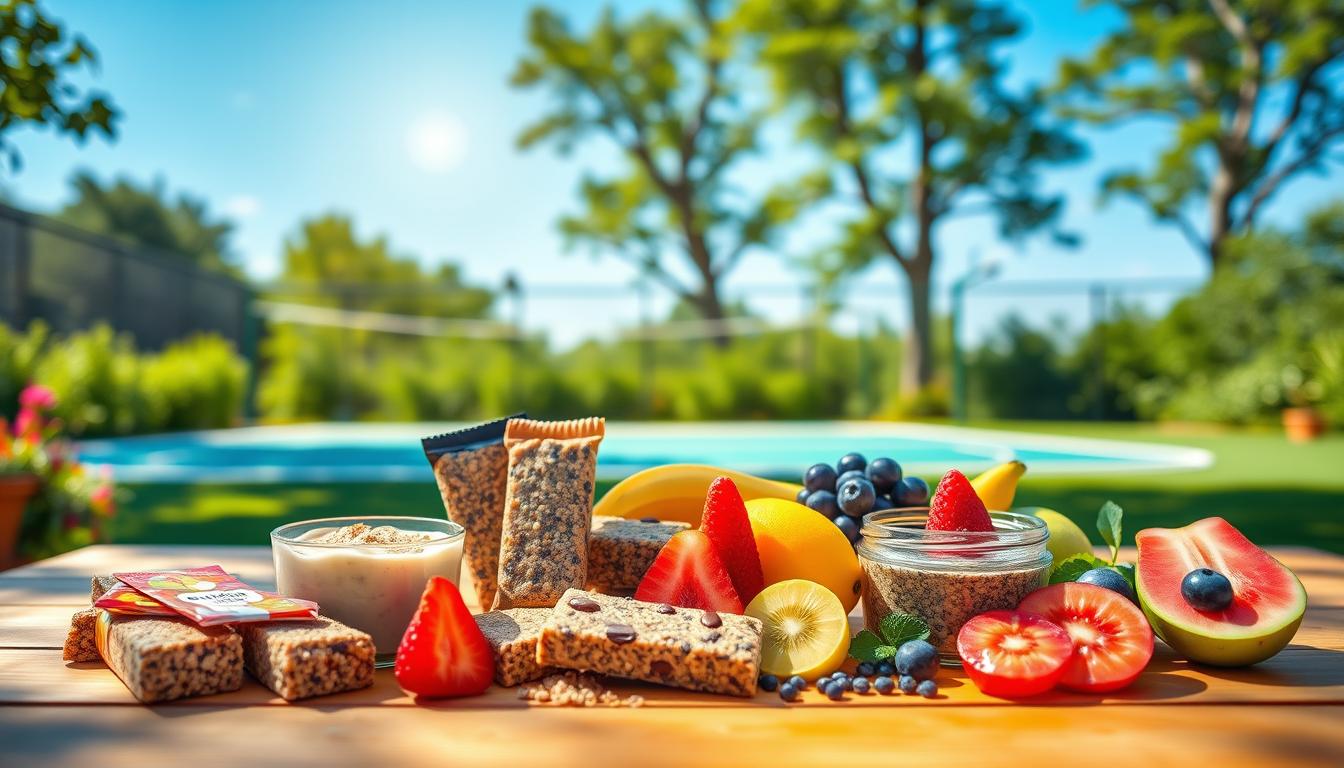
Short answer: yes — with the right choices, a plant-forward diet can meet daily needs and support on-court performance for older athletes.
For Pickleball players who follow a vegan lifestyle and are over 50, thoughtful meal planning matters. A menu focused on minimally processed foods delivers protein, carbs, and key micronutrients tied to health and recovery.
Higher protein intakes help maintain muscle, boost strength, and curb appetite during busy play days. This guide lists practical foods and the protein per serving so people can match targets for training and match days.
We prioritize whole foods first, then fortified options for gaps in iron, calcium, B12, iodine, zinc, and omega-3s. Expect grocery-friendly picks, clear serving sizes, and tips to combine items across meals for reliable daily totals.
Why Protein Matters for Pickleball Players Over 50
Strong, steady muscles and fast recovery depend on how much and what you eat each day. Adequate protein fuels muscle repair, supports enzymes and hormones, and helps the body recover between games.

Muscle strength, recovery, and energy for match days
Higher intake helps maintain lean mass and joint stability. That improves quick turns, paddle control, and resilience during tournaments.
“Consistent intake of concentrated plant foods supports recovery and reduces soreness, keeping players ready for the next session.”
Weight management and fullness benefits from higher diets
- Better satiety can reduce total calories and support healthy weight.
- When paired with fiber-rich carbs, it helps steady blood sugar and energy levels during a long day.
- Spread meals through the day to boost muscle synthesis and steady stamina.
| Role | Benefit | Example metric |
|---|---|---|
| Repair | Faster recovery | protein per serving |
| Strength | Maintains lean mass | Muscle function |
| Satiety | Weight control | Longer fullness |
Needs vary by body size and training. Tailor intake to activity and choose nutrient-rich sources that also supply iron, calcium, and B vitamins for long-term health.
How Much Protein Do You Need After 50?
After 50, daily targets move from basic minima toward practical levels that support strength and recovery.
The Dietary Guidelines for Americans list baseline needs: at least 46 grams for most women and 56 grams for most men each day. These numbers are minimums, not tailored athletic goals.
Translating calories into actionable targets
Protein should make up about 10–35% of daily calories. For active older athletes, planning toward the higher end can help with repair and stamina.
“Treat baseline guidelines as a starting point; adjust upward when training load or recovery needs rise.”
| Group | DGA minimum (grams/day) | Suggested active target (grams/day) |
|---|---|---|
| Women (most) | 46 g | 60–80 g |
| Men (most) | 56 g | 70–100 g |
| Adjust by body size | — | Use 0.36–0.7 g/kg or higher with training |
Fine-tuning for real life
Use protein per serving benchmarks to build meals across breakfast, lunch, dinner, and snacks. Spread intake to support muscle synthesis and track how you feel — energy, satiety, and recovery — as practical signals that your diet and intake are working.
Smart Choices: Minimally Processed vs Ultra-Processed Plant Foods
Start with whole plants. A foundation of legumes, whole grains, soy, nuts, and seeds delivers steady energy, fiber, and broad micronutrient coverage. These foods support recovery, reduce inflammation, and keep performance consistent.
Why mostly whole foods support long-term health
Whole options tend to supply vitamins and minerals alongside protein per serving and fiber. That mix helps satiety and steady blood sugar for match and practice days.
When fortified products can bridge nutrient gaps
Not all processing is bad. Tofu, tempeh, and fortified plant milks add convenience and reliable nutrients like calcium and B12. Use fortified products to fill gaps without relying only on supplements.
- Limit ultra-processed items that add sodium, refined oils, added sugar, and excess fat.
- Scan ingredient lists for short, familiar components.
- Reserve convenience products for quick post-match recovery or travel.
| Category | Benefit | Watch for |
|---|---|---|
| Minimally processed | Fiber, micronutrients, steady energy | Lower sodium, minimal additives |
| Fortified products | Top-up B12, calcium, vitamin D | Check added sugar and fat |
| Ultra-processed | Convenience | High sodium, refined oils, low nutrients |
“Balance convenience with whole-food staples to meet nutrition goals without sacrificing diet quality.”
Pickleball vegan over 50 protein sources
Older athletes benefit most from foods that pack amino acids, minerals, and easy portion control. Focus on items that offer high protein per serving and a full complement of essential amino acids to reduce meal complexity.
Prioritizing complete protein and protein per serving
Choose complete protein options first: soy foods (tofu, tempeh, edamame) and quinoa or amaranth. These items supply essential amino acids in fewer servings and often provide 12–20 g per 3.5 oz for soy and about 8–9 g per cooked cup for quinoa.
Balancing intake with iron, calcium, B12, and omega-3
- Pair lentils (≈18 g/cup) and beans (13–15 g/cup) with whole grains to round out amino acid profiles.
- Use calcium-fortified plant milks and B12-fortified nutritional yeast (≈8 g per 0.5 oz) to fill micronutrient gaps.
- Add hemp or chia for about 9 g per 3 tbsp and a plant-based omega-3 boost.
| Item | Typical grams per serving | Benefit |
|---|---|---|
| Soy (tofu/tempeh/edamame) | 12–20 g / 3.5 oz | Complete amino acids |
| Lentils & split peas | 16–18 g / cup | High iron, fiber |
| Quinoa / amaranth | 8–9 g / cup | Complete grain option |
Tip: Rotate these items weekly and track two or three go-to combos (for example, tempeh + quinoa bowl, lentil soup + whole grain bread). Consistency in these choices supports recovery, steady energy, and overall diet quality during training.
Soy All-Stars: Tofu, Tempeh, Edamame
Soy foods stand out because they are a rare plant-based complete protein that fits many meals. They deliver essential amino acids plus iron, calcium, and other minerals in compact servings.
Tofu: versatile and easy to use
Tofu ranges from silken to extra firm. It soaks up marinades and works in scrambles, stir-fries, bowls, and soups.
Typical tofu provides 12–20 g per 3.5 oz, making it a reliable way to hit a target serving.
Tempeh: fermented, firm, and mineral-rich
Tempeh is naturally fermented and offers probiotics plus B vitamins, magnesium, and phosphorus.
Its firm texture grills or air-fries well and adds savory chew to sandwiches and salads.
Edamame: quick snack with extra nutrients
Edamame delivers over 18 g per cup. It also supplies fiber, folate, vitamin K, and iron.
Toss it into grain bowls or enjoy as a fast pre-match snack to boost intake and micronutrients.
| Item | Typical grams per serving | Key nutrients |
|---|---|---|
| Tofu (3.5 oz) | 12–20 g | Calcium (if set), iron, B vitamins |
| Tempeh (3.5 oz) | 15–20 g | Magnesium, phosphorus, probiotics |
| Edamame (1 cup) | >18 g | Folate, vitamin K, fiber, iron |
Combine soybeans with colorful vegetables and whole grains for balanced plates. Choosing calcium-set tofu can also support bone health while keeping meals nutrient-dense.
Seitan: High-Protein Meat-Like Texture for Savory Dishes
Seitan mimics the chew and texture of meat, making it a convenient option for savory meals that need heft and satiety.
It contains roughly 25 grams per 3.5-oz (100 g) serving, one of the richest plant choices by weight. That dense amount helps hit higher daily targets with fewer portions.
Seitan also supplies key minerals such as selenium and small amounts of iron, calcium, and phosphorus. Read labels to avoid products with excess sodium or additives.
- Use sliced seitan in fajitas, stir-fries, grain bowls, or roasted as a topping for salads.
- Pair with iron-rich vegetables and a vitamin C source (peppers, citrus) to boost absorption.
- Avoid seitan if you have gluten sensitivity or celiac disease; choose soy- or legume-based alternatives instead.
| Attribute | Typical per 100 g | Notes |
|---|---|---|
| Protein per | ≈25 grams | High concentration; useful for compact meals |
| Key minerals | Selenium, iron, calcium, phosphorus | Supports recovery and bone health |
| Considerations | Gluten content, sodium in processed products | Read labels; choose low-sodium brands |
Legume Power: Lentils, Beans, and Split Peas
Legumes are compact powerhouses that deliver filling carbs, fiber, and concentrated plant protein for active days.
Lentils: about 18 g per cooked cup and gut-friendly fiber
Lentils provide roughly 18 grams per cooked cup. They also supply soluble fiber that feeds gut bacteria.
This gut-friendly fiber supports digestion and may help lower inflammation. Regular intake links to reduced risk of heart disease, type 2 diabetes, excess weight, and some cancers.
Beans: roughly 13–15 g per cup with cardiometabolic benefits
Most common beans offer about 13–15 grams per cup. Eating beans often is associated with better cholesterol, improved blood sugar control, and lower blood pressure.
Those cardiometabolic benefits make beans a smart choice for sustained match-day energy and long-term health.
Split peas: more than 16 g per cup, plus iron and potassium
Split peas deliver over 16 grams per cup and add iron and potassium. Those minerals support endurance and muscle function for active adults.
| Legume | Protein per cup | Key benefit |
|---|---|---|
| Lentils | ≈18 g | Gut-friendly fiber |
| Beans | 13–15 g | Cholesterol & blood sugar |
| Split peas | >16 g | Iron & potassium |
Batch-cook lentils, beans, or split peas for soups, stews, and salads to hit protein per cup targets across the week. Combine legumes with whole grains to improve amino acid balance and make meals more complete.
Keep dishes lively with spices, fresh herbs, citrus, and garlic. Small flavor tweaks make thrice-weekly legume meals feel new and satisfying while delivering lasting benefits.
Grains and Pseudocereals That Punch Above Their Weight
Grains and pseudocereals deliver steady carbs and useful protein per cup, making them a practical foundation for meals before and after play.
Quinoa and amaranth: complete plant-based options
Quinoa and amaranth are rare grain-like foods that are complete proteins. Each cooked cup provides about 8–9 g of protein per cup.
Use them in bowls, salads, or as a rice swap to add balanced amino acids without much effort.
Teff and Khorasan wheat: near 10 g per cooked cup
Teff and Khorasan (an ancient wheat) offer roughly 10 g per cooked cup. They also supply iron, magnesium, and other minerals.
Those minerals support energy metabolism and recovery for active adults.
Whole wheat pasta and wild rice: pantry-friendly choices
Whole wheat pasta and wild rice add accessible variety while contributing about 7 g per cup. They pair easily with vegetables and legumes.
“Pairing grains with beans or soy-based foods raises total protein and improves amino acid balance.”
Batch-cook these grains to streamline training-day meals. Finish plates with herbs, citrus, and olive oil to boost flavor without added sugar.
| Grain / Pseudocereal | Protein per cooked cup | Key benefit |
|---|---|---|
| Quinoa | 8–9 g | Complete amino acids; versatile in bowls |
| Amaranth | 8–9 g | Complete protein; good in porridge or pilafs |
| Teff | ≈10 g | Mineral-rich; great in stews or as porridge |
| Khorasan wheat | ≈10 g | Nutty flavor; adds minerals and chew |
| Whole wheat pasta / Wild rice | ≈7 g | Pantry-friendly; steady energy and fiber |
Tip: Combine these grains with legumes or soy to reach higher totals of protein per plate. Whole grains also bring fiber and nutrients linked to lower risk of type 2 diabetes and colorectal cancer, supporting long-term health.
Oats and Sprouted Breads for Everyday Wins
Starting the day with whole grains gives steady energy and heart benefits. Oats are a reliable base that add both bulk and targeted nutrients.
Oats deliver about 6 g per cooked cup and provide beta-glucan fiber, which supports lower cholesterol and lasting fullness. Use oats as a breakfast base to hit early protein per targets and fuel morning activity.
Why sprouted breads help
Sprouted grain loaves like Ezekiel offer roughly 8 g per two slices. Sprouting raises certain amino acids (notably lysine) and reduces antinutrients, so these breads act as a good source of additional protein and are easier to digest.
- Make protein-fortified oatmeal bowls topped with seeds or nut butter.
- Prep overnight oats to simplify busy mornings and secure a reliable cup serving early in the day.
- Build sandwiches on sprouted bread with tofu or tempeh for compact, high-quality meals.
- Choose breads and cereal products with minimal added sugar to protect overall diet quality.
- Combine oats or sprouted slices with legumes or soy during training blocks to raise total intake.
| Item | Typical protein | Benefit |
|---|---|---|
| Oats (cooked cup) | ≈6 g | Beta-glucan for heart health |
| Sprouted bread (2 slices) | ≈8 g | Improved amino acids, digestibility |
| Meal idea | Varies | Overnight oats or sprouted bread sandwiches |
Seeds and Nut Butters: Dense Protein with Healthy Fats
Small, energy-dense additions like seeds and nut butters make it easy to top up meals without much prep. These items add concentrated calories, healthy fat, and usable grams of protein in compact servings. Use them to boost snacks, smoothies, and bowls.
Hemp benefits and balanced fats
Hemp seeds deliver roughly protein per about 9 g per 3 tablespoons. They also have a balanced omega-3:6 ratio that may help modulate inflammation after intense play.
Pumpkin and sunflower for minerals
Pumpkin seeds pack about 8 g per ounce and are rich in magnesium to support muscle function. Sunflower seeds offer near 5 g per ounce and add vitamin E and trace minerals.
Chia for fiber and omega-3s
Chia seeds provide protein, fiber, and plant omega-3s. They help fullness and can aid post-exercise recovery when added to puddings or shakes.
Peanut butter as a quick option
Peanut butter gives roughly 7 g per two tablespoons. Choose jars with no added sugar or oils; watch labels because some contain honey.
“Sprinkle seeds over oatmeal, blend them into smoothies, or spread nut butter on sprouted bread for a fast, nutrient-rich bite.”
| Item | Typical per serving | Benefit |
|---|---|---|
| Hemp seeds | ≈9 g / 3 tbsp | Balanced omega-3:6, compact boost |
| Pumpkin & sunflower | 5–8 g / oz | Magnesium and vitamin E |
| Chia | ≈5 g / oz | Fiber, plant omega-3s |
Keep portion sizes in mind to balance calories and hit daily targets. In short, seeds and nut butters are a good source of quick nutrition that fit easily into travel bags and kitchen routines.
Specialty Boosters: Nutritional Yeast, Spirulina, and Mycoprotein
Small, concentrated boosters can lift a meal’s nutrient profile without adding heavy prep time. These three items add flavor, vitamins, and usable grams of protein per serving while fitting into bowls, soups, and smoothies.
Nutritional yeast
This savory, cheese-like topper supplies about 8 g per 0.5 oz and is a complete option with essential amino acids. Many products are fortified with B12 and other vitamins, making them a practical add-on for fortified diets.
Spirulina
Spirulina provides roughly 8 g per 2 tablespoons and brings antioxidant pigments like phycocyanin. Blend a small scoop into smoothies or dressings to boost flavor and micro-nutrients quickly.
Mycoprotein
Mycoprotein delivers around 15–16 g per 3.5 oz and often contains 5–8 g of fiber. It has a meat-like texture that works well in savory dishes. Check labels to confirm products are free of egg or animal ingredients if avoiding them.
- Use these boosters to raise protein per portion in soups, salads, pasta, and grain bowls.
- Remember they contain protein but work best when paired with staples like legumes, soy, grains, nuts, and seeds.
- Rotate boosters to vary taste and micronutrient profiles across the week.
| Booster | Typical protein per serving | Key benefit |
|---|---|---|
| Nutritional yeast | ≈8 g / 0.5 oz | Complete protein; often B12-fortified |
| Spirulina | ≈8 g / 2 tbsp | Antioxidants; easy to blend |
| Mycoprotein | 15–16 g / 3.5 oz | High protein and fiber; meat-like texture |
Simple Meal Ideas to Reach Your Daily Protein Goal
A mix-and-match approach turns pantry staples into bowls and soups that add up quickly.
Protein per cup strategies: bowls, stir-fries, soups, and salads
Build meals by combining a reliable serving of legumes, soy, grains, and seeds. For example, one cup cooked lentils + one cup quinoa + 1 cup edamame creates a high-protein bowl that is easy to scale.
Try templates: quinoa-lentil bowls with greens and edamame; tofu-vegetable stir-fries over brown rice; split pea soup with whole grain toast. These foods stack well and simplify daily intake tracking.
Post-match timing: pairing protein with carbs for recovery
After play, eat a quick carbohydrate plus a compact protein choice within 60 minutes. Fruit and rice with tofu, or pasta with tempeh, kick-starts recovery and replenishes glycogen.
“Pair fast-digesting carbs with a protein-rich food to jump-start muscle repair and reduce soreness.”
A practical serving roadmap: include a protein source at every eating occasion. Aim for a mix of legumes, soy, seitan, grains, and seeds across the day to cover micronutrients and support the body.
- Snack ideas: sprouted bread with peanut butter, soy yogurt with hemp seeds, roasted chickpeas.
- Meal prep tip: batch-cook lentils, grains, and marinated tofu on rest days for grab-and-go plates.
- Listen to hunger and recovery signals; adjust portions or combinations as needed for energy and repair.
| Template | Key portions | Why it works |
|---|---|---|
| Quinoa-lentil bowl | 1 cup quinoa, 1 cup lentils, 1 cup edamame | Balanced amino acids; simple math for totals |
| Tofu stir-fry | 4 oz tofu, 1 cup brown rice, mixed veg | Fast to prepare; good post-match option |
| Split pea soup + toast | 1 cup soup, 2 slices sprouted bread | Comforting, iron-rich, easy portions |
Conclusion
Mixing legumes, grains, and concentrated add-ins makes hitting targets practical and tasty.
You can confidently meet daily intake needs by rotating hearty beans, lentils, soy options, and whole grains. Add concentrated items like hemp, pumpkin seeds, and nut butter for compact boosts between meals.
Favor complete options such as soy, quinoa, and amaranth, and pair grains with legumes to balance amino acids and support iron absorption. Check labels and choose minimally processed products, plus fortified soy milk or nutritional yeast for key vitamins like B12 and calcium.
Think in simple terms — grams per cup or per serving — to tally totals during training weeks. Sprinkle seeds, blend hemp into smoothies, or spread peanut butter on sprouted toast to raise content without much prep.
Plan a week of rotating meals now so you consistently meet needs for intake, iron, and other nutrients while keeping energy and health on track.