Can a simple weekly plan really help seasoned players move with more confidence and fewer aches?
The years after fifty bring clear challenges for court sports: reduced flexibility, joint stiffness, slower recovery, and smaller windows for intense training. Coach Bob Savar, a 78-year-old instructor, stresses that what you eat, how you warm up, and how you recover shape energy, stamina, and on-court performance.
This short guide sets expectations. You will find on-court warm-ups, easy at-home training, nutrition and hydration tips, and advice on gear to protect elbows and joints.
Balance can be trained at any age. With targeted training, sensible session planning, and steady recovery, players can boost fitness and game confidence without overloading muscles or risking injuries.
On-court readiness now: warm-ups, movement habits, and safe equipment for better balance
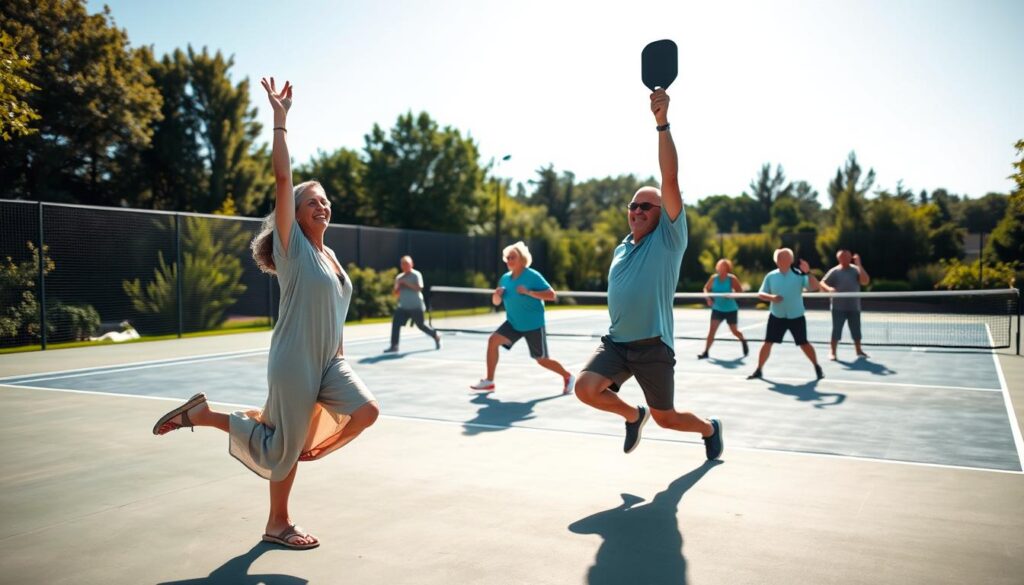
Warming up with low-impact drills primes joints and sharpens footwork for safer play. Start a 5–8 minute dynamic routine that loosens hips and ankles before stepping onto the court.
Dynamic warm-up to reduce stiffness
Leg swings front-to-back and side-to-side, arm circles, gentle lunges, and lateral shuffles cut stiffness and prep movement. Keep reps controlled and pain-free.
Balance primer before play
Add a 60–90 second drill of standing on one foot with a slight knee bend. Then shift weight side to side to feel stable pressure under the feet.
Safe movement cues and gear
“Do not run backward—turn and sprint sideways or call a switch,” advises Coach Bob Savar.
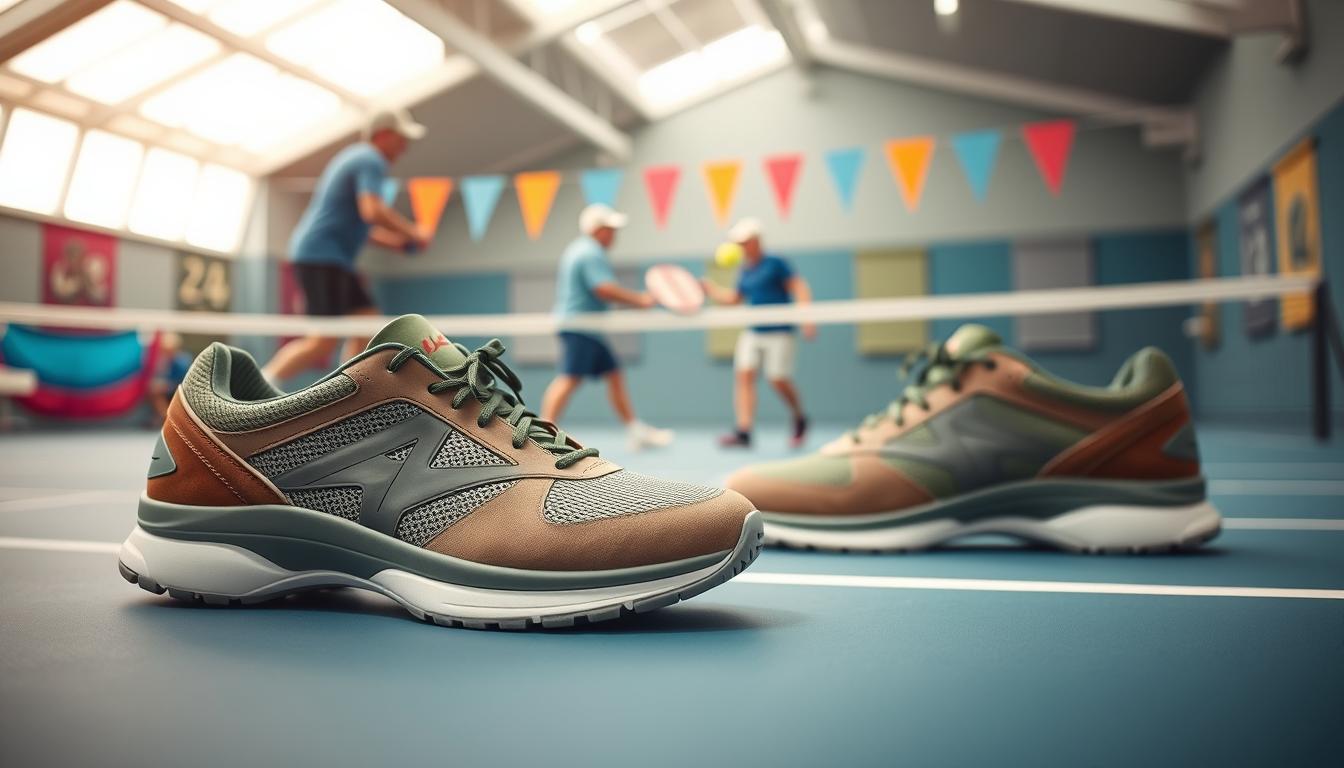
- Choose court shoes with lateral support and grippy soles.
- Use a lightweight paddle to reduce arm fatigue; check grip size before play.
- Consider knee sleeves or braces if you need extra joint support.
| Item | Benefit | When to Use |
|---|---|---|
| Court shoes | Lateral support, traction | Every session |
| Lightweight paddle | Less arm fatigue, quicker control | Long rallies, multi-session days |
| Knee sleeve / brace | Joint stability, comfort | When knee or ankle feels unstable |
Limit play to 60–120 minutes per session, up to four times weekly, and hydrate with water plus a pinch of electrolytes. Keep pre-play stretching dynamic and save static stretching for cooldowns to aid recovery and injury prevention.
At-home balance and strength training to improve stability, core control, and injury prevention
Simple at-home moves can build a steadier base for court movement and fewer slips. Use short, regular sessions that mix balance drills, leg strength, and core work. Keep the tempo controlled and stop if you feel sharp pain.
Foundational balance drills
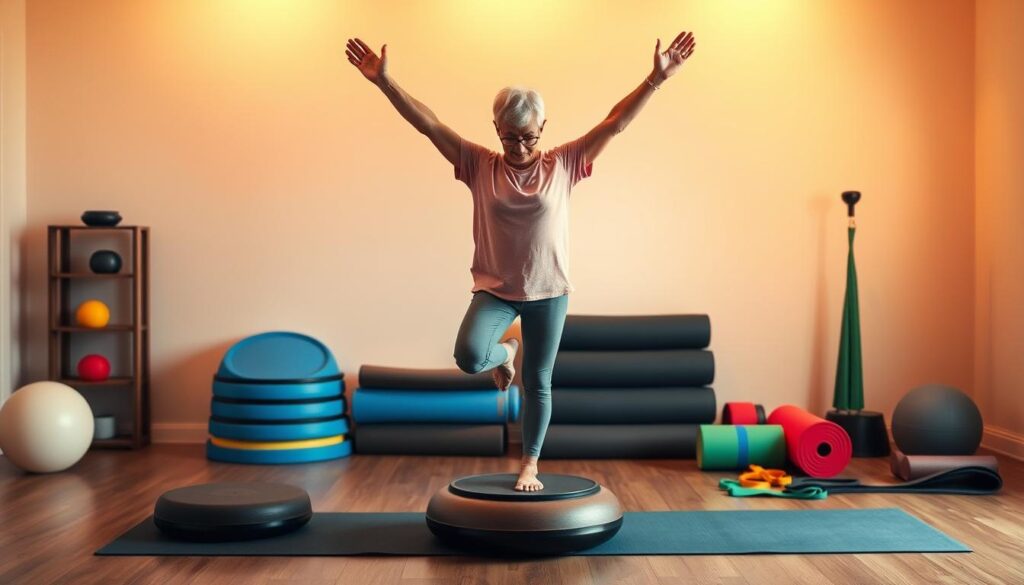
Start with standing toe taps (front, side, back) for 1–2 minutes per leg while holding a chair. Practice standing one foot holds for 20–30 seconds, then progress to one leg holds without support.
Strength moves for legs and hips
Do chair squats (10–15), standing calf raises (10–15), and seated knee extensions (10–15 per leg). These strength training moves build muscle for safer pushes and stops.
Core and upper-body support
Train core with seated marching (1–2 minutes) and seated torso twists (10–15 per side) to steady the center of mass and protect the back. Add wall push-ups (10–15) and careful chair dips (10–15) to support paddle control while limiting stress on the elbows.
Progressions and safety
Increase reps or sets slowly, keep range of motion comfortable, and consult a provider if knee or foot pain persists.
- Prioritize movement quality and flexibility with light stretching after sessions.
- Aim for two to three training sessions per week to build lasting fitness and injury prevention.
Pickleball vegan over 50 balance improvement: fueling, hydration, and recovery for performance
A practical fueling plan helps seasoned players maintain strength and focus during games.
Plant-powered performance
Center meals on complex carbs, lean plant proteins, and healthy fats to sustain performance during matches.
Good choices include oats, quinoa, whole-grain pasta, tofu, tempeh, lentils, avocado, olive oil, and nuts.
Hydration strategy
Hydrate with water and a pinch of electrolytes before and during play. This protects energy levels and court focus.
“Avoid sugary sports drinks and excess caffeine that can spike and crash energy,” advises Coach Bob Savar.
Sample day of fueling around play
| Timing | What to eat/drink | Why it helps |
|---|---|---|
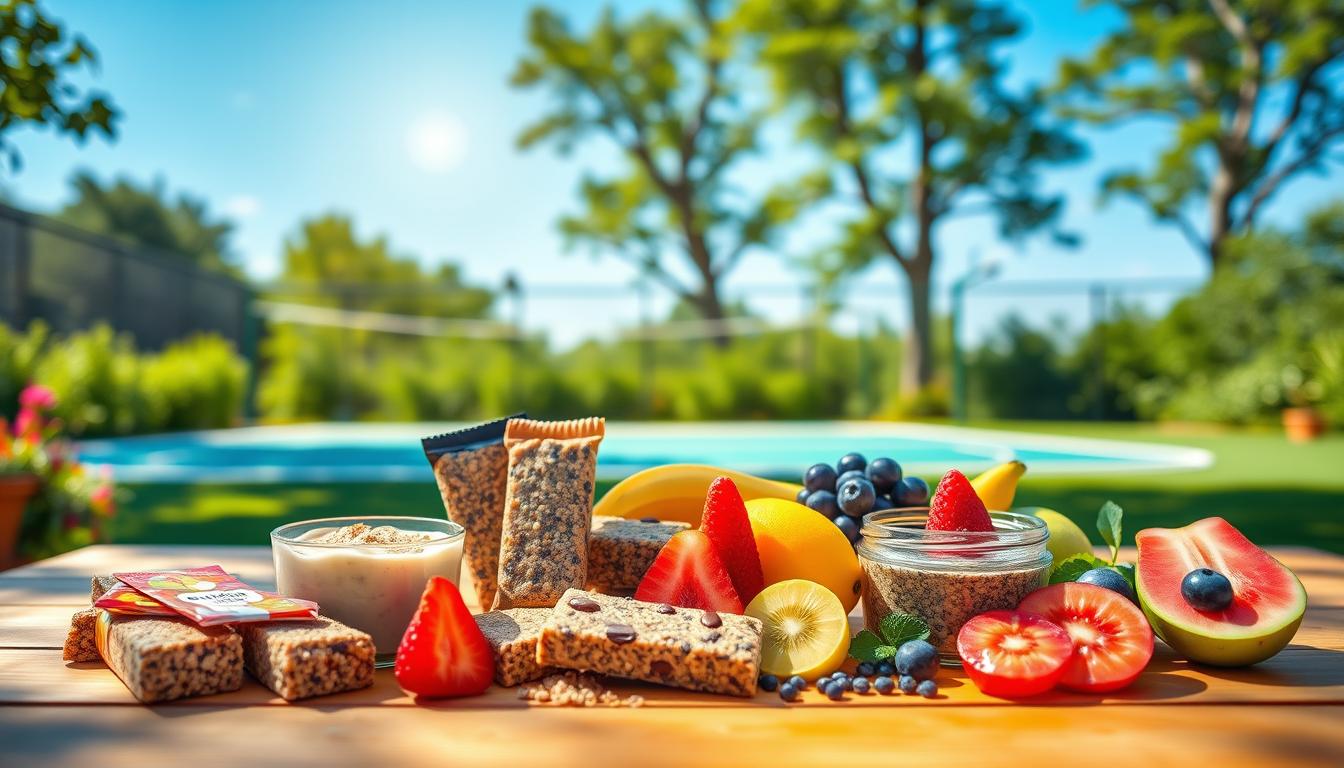
| 30–60 min pre-warm-up | Banana + peanut butter or small oat bar | Easy carbs to prime muscle and steady blood sugar |
| During session | 4–8 oz water every 15–20 min; add electrolytes if hot | Maintain movement quality and hydration |
| Within 60 min post-play | Smoothie with soy milk, berries, chia or tofu & quinoa bowl | Carb + protein for muscle recovery and glycogen refill |
| All day | Moderate portions; omega-3 sources like ground flax and walnuts | Supports joints, muscle maintenance, and overall fitness |
Plan heavier carbs on long training days and favor veggies and legumes on lighter days. Test meals during practice to avoid GI issues on match day.
Recognizing limits and getting help: when to consult a physical therapist
Not every ache needs a clinic visit, but some signs mean it’s time to call a physical therapist.
Seek therapy when a new injury such as sprains or a strain happens, or when pain builds instead of easing with rest. Early care speeds recovery and lowers the risk of repeated injuries.
Red flags and recurring issues
Watch for stiffness that does not improve with stretching. Pay special attention to the knee, ankle, and back — these sites often show deeper mobility or stability problems.
“If pain limits movement or confidence, a targeted plan can restore progress and protect future performance.”
- New sprains or strains that limit walking or play.
- Lingering knee or ankle pain after games or workouts.
- Recurring injuries or slow recovery between sessions.
- Fear of activity because of muscle or back pain that reduces stability.
A physical therapist will assess movement, find muscle imbalances, and prescribe progressive training for safe return-to-play. Ask about load management, bracing, and specific steps to rebuild stability and performance.
Conclusion
Focusing on mobility, one-leg drills, and short strength sets builds reliable on-court control. Small, repeatable routines help players improve balance and flexibility without adding strain.
Do 5–8 minutes of dynamic warm-up, brief single-leg practice, and two to three weekly sessions of simple exercises — chair squats, toe taps, side leg raises, and core work. Use proper equipment like court shoes and a light paddle to protect muscles, back, and elbows.
Keep it consistent and enjoyable: track recovery, hydrate, and add volume slowly. This content serves as a checklist so the pickleball player can train smart, avoid setbacks, and boost performance over time.