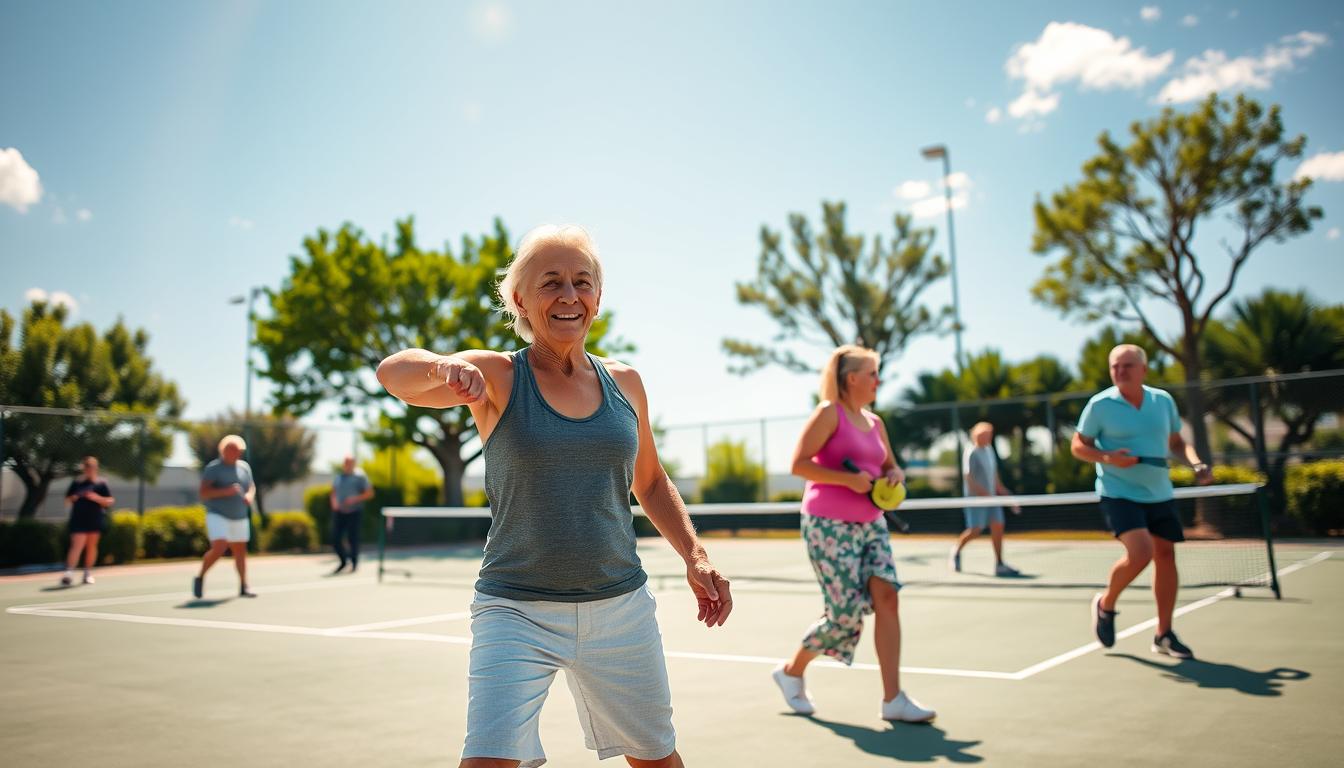
Can a simple, timed plate help you recover faster and play better the next day? This guide answers that with clear numbers and easy options for court-side recovery.
Carbs fuel quick energy and protein rebuilds muscle. For most players, aim for about 20–40 g protein and 30–60 g carbs soon after a match to speed recovery and restore glycogen.
Hydration matters: drink 16–20 oz two to three hours before play, then 6–10 oz just before. After a match, rehydrate based on weight change and include electrolytes if you sweat heavily.
This short guide focuses on practical nutrition, bone-supportive choices like calcium and vitamin D, and portable snacks that fit tight time windows. Follow the simple framework here to protect performance, speed recovery, and keep your body ready for the next game.
Why Post-Match Nutrition Matters for Players Over 50
The choices you make right after a match set the stage for tomorrow’s performance.
Older athletes repair muscle more slowly and store less glycogen. That makes a timely plate of protein and carbs essential to bounce back the next day.
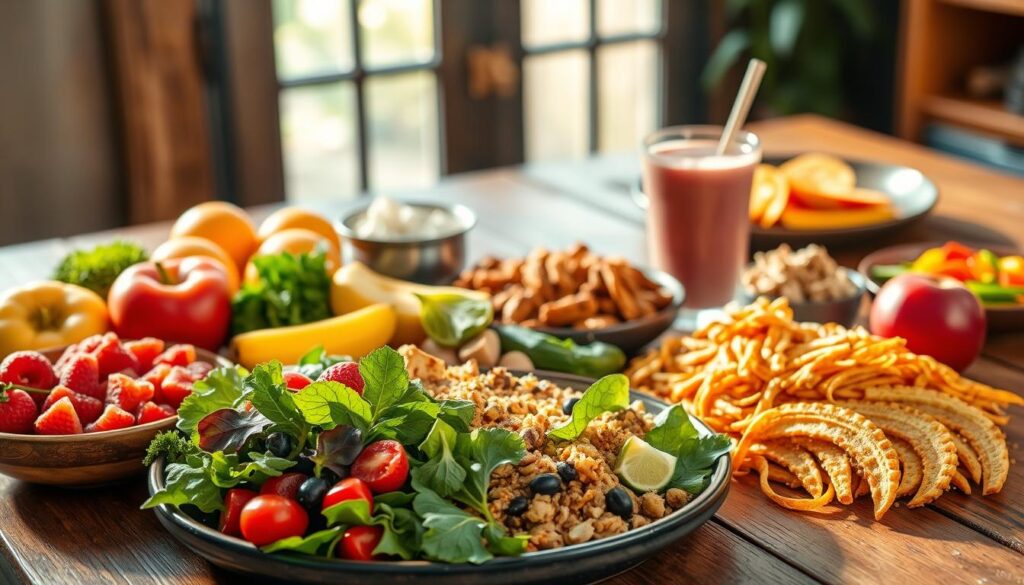
Aiming for 20–40 g of protein with 30–60 g of carbohydrates soon after play stimulates muscle protein synthesis and refills muscle glycogen. This combo reduces perceived fatigue and supports steady energy levels for your next session.
Key micronutrients matter too. Calcium and vitamin D support bone strength. Iron helps oxygen delivery. Vitamin B12 protects nervous system function.
- Magnesium and potassium help prevent cramps and aid normal muscle contraction.
- Spread protein across the day to keep amino acids available for repair.
- If appetite is low, start with a liquid option and follow with a fuller meal later.
Small, timely nutrition choices deliver big gains in comfort, stamina, and on-court performance the following day. Track how you feel when you meet protein and carbs targets to see the difference.
Hydration and Electrolytes After the Court: What to Do First
The first minutes after a match are the best time to restore lost fluids and electrolytes.
Start rehydrating as soon as play ends. Use the simple formula: drink 16–24 oz per pound of weight lost to replace sweat. A quick weigh-in before and after the game gives a reliable estimate of how much you need.
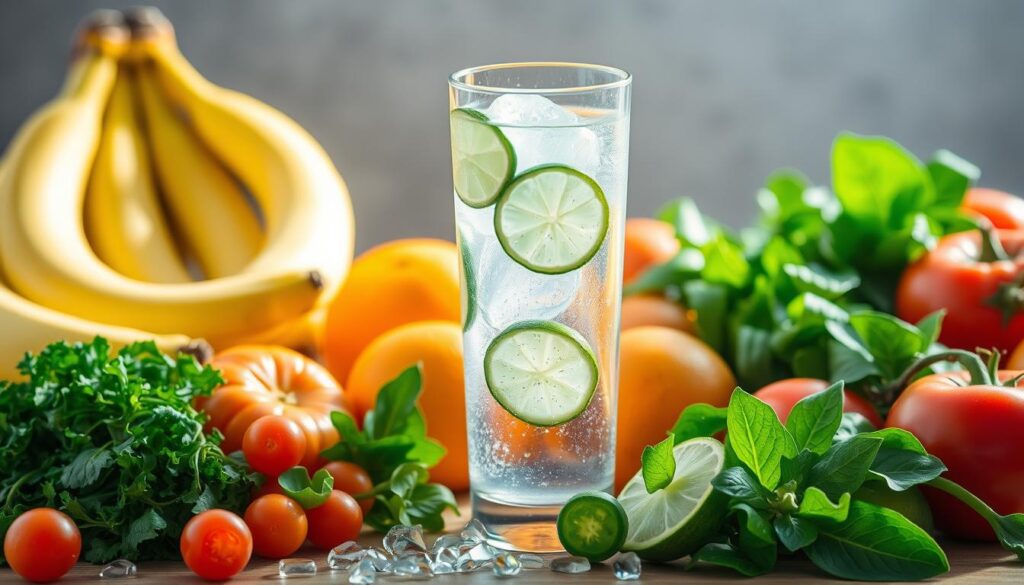
Rehydrate by the Numbers
Begin with water or a diluted sports drink in the first minutes. Then finish the target volume steadily over the next 1–2 hours. If stomach upset is an issue, take small sips every few minutes.
Electrolyte Targets
Aim for 500–700 mg sodium per liter of fluid. If you sweat heavily or played in heat, increase sodium up to 1,000 mg per liter. Coconut water adds potassium; sports drinks supply balanced electrolytes.
Smart Sips and Simple Sweat Check
- Sip 4–8 oz every 15–20 minutes during long sessions and follow up after the match.
- Pre-hydrate: 16–20 oz two to three hours before and 6–10 oz about 15–20 minutes prior to play.
- Weigh yourself dry (use a towel) before and after to estimate sweat loss accurately.
- Watch urine color—pale yellow means hydration is on track.
Pickleball vegan over 50 post-match meals: Build the Ideal Recovery Plate
The best recovery plates mix concentrated protein with easily digested carbs to rebuild muscle and refill stores.
Start with a target: roughly 20–40 g of protein plus 30–60 g of carbs within an hour. Plant choices like tofu, tempeh, lentils, or a soy/pea protein shake hit the protein target without heaviness.
Carbohydrate sources such as quinoa, oats, rice, potatoes, or fruit restore glycogen and quick energy. Add healthy fats for nutrient absorption and steady fuel—think avocado, olive oil, tahini, chia, or flax.
- Protein first: soy/pea shake, tofu stir-fry, or lentil bowl to support muscle repair.
- Carb reload: brown rice, sweet potato, or oats to refill glycogen.
- Key micros: fortified plant milk for calcium and vitamin D; B12 supplements and iron-rich beans as needed.
- Extras: potassium from banana or potato and magnesium from pumpkin seeds for normal muscle function.
Quick combos work well: tofu + brown rice + roasted vegetables with tahini, or a shake and fruit if appetite is low. Swap in firm tofu or tempeh to match the protein of traditional chicken plates while keeping balance and easy digestion.
Fast Vegan Snacks for the 30-60 Minute Recovery Window
A quick bite right after play can dramatically shorten soreness and restore steady energy.
Choose snacks that deliver easily digested protein and carbs within 30–60 minutes. Liquids absorb fast; solids can work if they are light and portable.
Portable Liquids
A soy or pea protein shake with a banana supplies about 20 g protein and 30–60 g carbohydrates when blended with fortified plant milk.
Add a small serving of tart cherry or watermelon juice to reduce soreness and give quick carbs. If appetite is low, sip 8–12 oz first and finish later.
Grab-and-Go Solids
Rice cakes topped with hummus give a gentle carb-protein combo that won’t sit heavy. Fig bars carry dependable carbohydrates for travel between courts.
Make a trail mix of pumpkin seeds, almonds, and dried fruit for magnesium, iron, and steady energy. Stir in a spoonful of peanut butter or almond butter when you need extra calories.
“Add electrolyte tablets or a diluted sports drink on hot days to replace sodium quickly and help prevent cramping.”
- Prioritize fast-digesting shakes and fruit in the first minutes after a match.
- Keep a cooler with fortified plant milk and coconut yogurt as dairy alternatives.
- Pack snacks and electrolyte tablets so you can rehydrate and refuel between courts.
Plant-Based Meal Templates for the Rest of the Day
Simple templates let you refuel the rest of the day without guesswork.
Right after play (within 30 minutes): blend one scoop soy or pea protein with fortified plant milk and a banana. This delivers about 20–25 g protein and quick carbs to restore energy and start muscle repair.
Within two hours: plate a tofu, brown rice, and roasted vegetables bowl. Add a drizzle of olive oil or tahini for healthy fats and extra calories when sessions are intense. This meal secures steady carbohydrates and a complete protein source.
Evening recovery dinner: simmer a lentil stew with sweet potato and greens. It adds iron, potassium, and fiber for digestion and overnight repair. Sprinkle chia or flax to add plant omega-3s.
- Use oatmeal as a base: savory oats with tofu or sweet oats with berries and coconut yogurt.
- Rotate vegetables for variety—broccoli, peppers, carrots, Brussels sprouts.
- Prep grains, legumes, and roasted vegetables in batches for easy plating later in the day.
| Time | Template | Key macros |
|---|---|---|
| 0–30 minutes | Protein shake + banana | 20–25 g protein, 30–60 g carbs |
| Within 2 hours | Tofu + brown rice + roasted vegetables | Complete protein, steady carbs, healthy fats |
| Evening | Lentil stew + sweet potato + greens | Iron, potassium, fiber |
Tournament and Back-to-Back Days: Timing, Carbs, and Fluids
When matches stack up, a simple fueling routine prevents crashes and maintains sharp performance.
Between matches, consume 20–30 g quick carbs with electrolytes every 60–90 minutes. Good choices: a banana, a fig bar, or a diluted sports drink with a pinch of salt. This approach protects energy and limits late-day fatigue.
Hydrate during play by sipping 4–8 oz every 15–20 minutes. After each segment, rehydrate 16–24 oz per pound of weight lost to replace sweat. Increase sodium toward 1,000 mg per liter if you are a heavy sweater or playing in heat.
Travel-Ready Plan
- Pack pea or soy protein powder and a shaker to get 20–25 g protein after long sets.
- Stock electrolyte tablets, rice cakes, fig bars, and sealed trail mix for steady intake across the day.
- Swap chicken wraps for marinated tofu or tempeh wraps to match protein without digestive heaviness.
- Set a timer between matches and log what you ate, drank, and how you felt to refine future performance.
| Need | What to pack | When to use |
|---|---|---|
| Quick carbs + electrolytes | Banana, fig bars, diluted sports drinks | Every 60–90 minutes between matches |
| Protein | Pea/soy powder, tofu wraps | After longer sessions or mid-day recovery |
| Hydration | Water, electrolyte tablets | Sip every 15–20 minutes; rehydrate after segments |
Conclusion
Cap your court time with a quick, repeatable routine—rehydrate, replace sodium, and refuel with a balanced protein option.
Start by restoring fluids and electrolytes using the numbers that work: 16–24 oz per pound lost and 500–700 mg sodium per liter (up to 1,000 mg for heavy sweaters). Weighing before and after helps tailor those targets to your body and the day’s conditions.
Next, aim for 20–40 g protein with 30–60 g carbs within the optimal time window. Keep fast snacks and fortified plant milk or yogurt on hand so recovery is simple between games.
Track matches, weight change, and how you felt. Small, consistent choices drive better energy, recovery, and court performance.