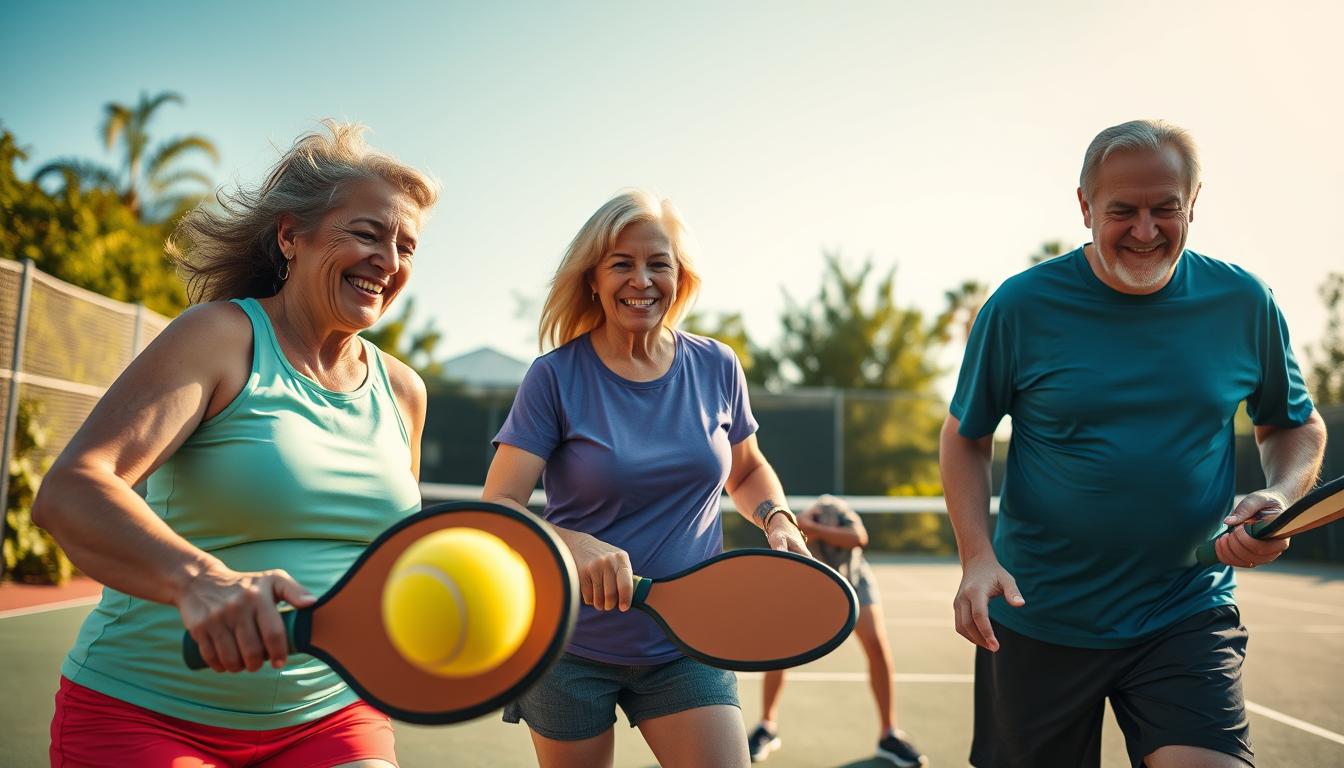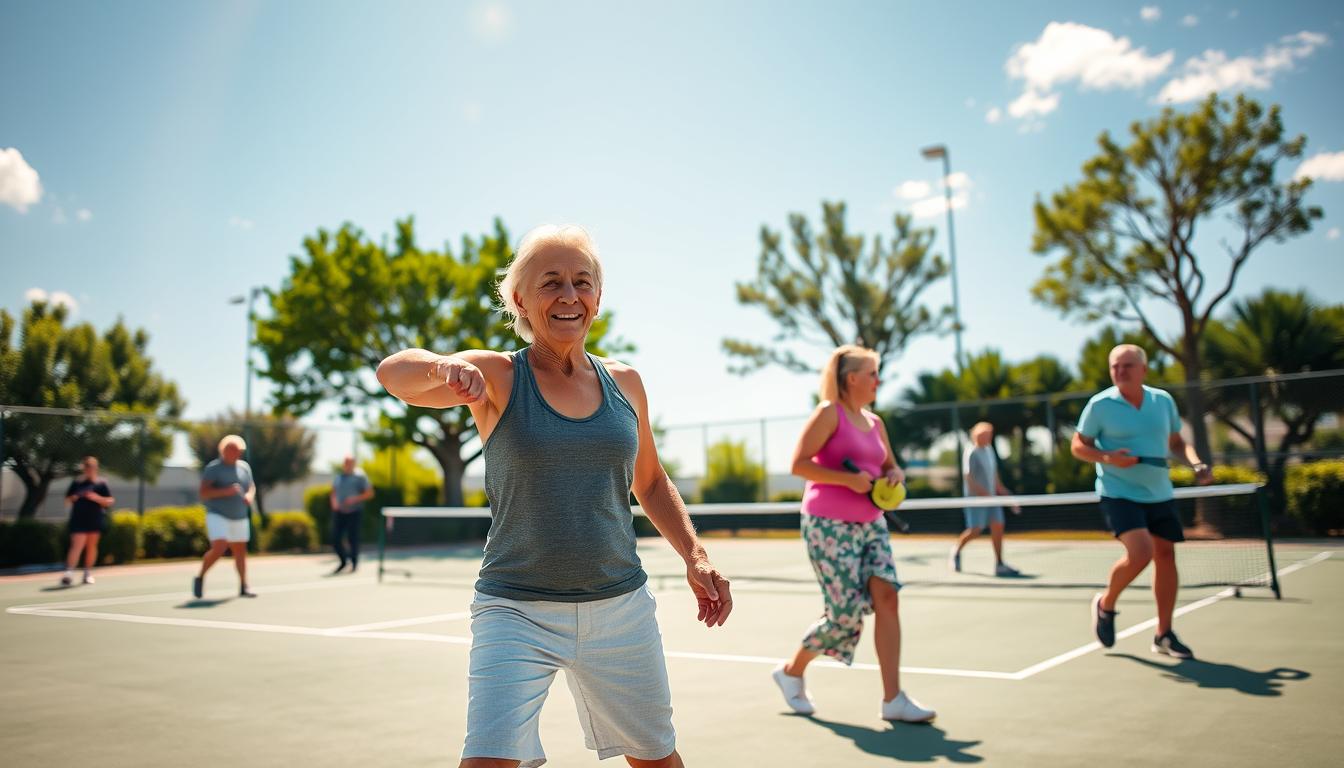
Are you a vegan pickleball player over 50? Have you thought about how your recovery nutrition affects your game and health? This age brings special nutritional needs. Plant-based recovery foods are key to staying on top of your game.
Good nutrition for athletes over 50 does more than just fuel performance. It boosts resilience, agility, and helps prevent injuries. Let’s explore how vegan pickleball recovery nutrition can improve your game and life quality.
Understanding the Importance of Recovery Nutrition
Recovery nutrition helps the body heal after exercise. It’s key for pickleball players over 50. It replenishes energy, repairs muscles, and boosts overall health. Good nutrition is vital for sports performance and long-term success.
Good recovery nutrition fights fatigue and improves mental focus. It also lowers injury risks. Adding the right foods to your routine helps your body recover faster. This is crucial for staying competitive.
Key Nutritional Needs for Players Over 50
As players get older, their nutritional needs over 50 change a lot. It’s important to meet these new needs to keep up performance and health. Senior athlete nutrition focuses on dealing with slower metabolism and muscle loss, which affect energy and recovery.
Getting enough calories is key since the body burns less energy with age. Eating a mix of carbs, proteins, and healthy fats helps with muscle repair and energy during games. Drinking plenty of water is also crucial, as older people might have trouble keeping fluids balanced.
It’s vital to eat nutrient-dense foods. Older athletes should eat more whole foods with vitamins and minerals to help their bodies work well. Here’s a table of important nutrients for athletes over 50.
| Nutrient | Benefits | Food Sources |
|---|---|---|
| Protein | Supports muscle repair and growth | Lentils, chickpeas, quinoa, and tofu |
| Calcium | Strengthens bones, prevents fractures | Fortified plant milks, leafy greens, almonds |
| Omega-3 Fatty Acids | Reduces inflammation, aids joint health | Flaxseeds, chia seeds, walnuts, algae oil |
| Fiber | Promotes digestive health, regulates blood sugar | Whole grains, fruits, vegetables, legumes |
The Role of Carbohydrates in Recovery
Carbohydrates are key for athletes, especially in sports like pickleball. After a game, eating carbs helps restore energy and aids in muscle recovery.
Types of Carbohydrates Beneficial for Recovery
Knowing the different carbs is crucial for better recovery. Here are the main types:
- Simple Carbohydrates: These give quick energy and are in fruits, honey, and sports drinks. They’re easy to digest and boost energy fast.
- Complex Carbohydrates: Found in whole grains, legumes, and veggies, these carbs give energy for longer. They’re great for recovery as they refill glycogen stores.
Timing Carbohydrate Intake
When you eat carbs matters a lot for recovery. Eating carbs right after exercise boosts glycogen replenishment. Try to eat carbs within 30 minutes to 2 hours after playing pickleball. This timing speeds up recovery and boosts your next game’s performance.
Essential Proteins for Muscle Recovery
For athletes, especially those on a vegan diet, knowing about essential proteins is key. Proteins help fix tissues and grow muscles after working out. Finding the best plant-based proteins is important to meet protein needs.
Plant-Based Protein Sources
There are many plant-based proteins for athletes. These include:
- Legumes such as lentils and chickpeas
- Nuts like almonds and walnuts
- Seeds including chia and flaxseeds
- Tofu and tempeh, which are rich in protein
- Quinoa, a complete protein grain
Adding these proteins to your diet can boost recovery. It gives your body the essential proteins it needs after intense workouts.
How Much Protein Do You Need?
Protein needs vary for athletes, from 1.2 to 2.0 grams per kilogram of body weight. This amount helps muscles get the nutrients they need to repair and grow. Keeping track of protein intake and adjusting it can improve performance and recovery.
Healthy Fats and Their Role in Recovery
Healthy fats are key for athletes, especially those over 50. They help reduce inflammation and aid in muscle repair. Good sources include avocados, nuts, seeds, and plant oils.
Healthy fats give us essential fatty acids that boost health and endurance. They fight off inflammation that comes with aging. This makes them vital for recovery. A diet rich in healthy fats supports active living.
| Source of Healthy Fats | Benefits |
|---|---|
| Avocados | Rich in monounsaturated fats, promotes heart health and provides anti-inflammatory properties. |
| Nuts | Provide a mix of healthy fats, protein, and fiber, beneficial for recovery and satiety. |
| Seeds | High in omega-3 fatty acids and antioxidants, supports muscle recovery and reduces inflammation. |
| Plant Oils (e.g., olive oil) | Offers anti-inflammatory benefits and aids in nutrient absorption while adding flavor to meals. |
Adding healthy fats to your diet is crucial for vegan pickleball players. They help repair muscles and boost well-being. This lets people stay active as they get older.
Hydration Strategies for Vegan Pickleball Players
Staying hydrated is key for vegan pickleball players to perform at their best. It helps keep them healthy and boosts their endurance. Athletes should drink plenty of fluids before, during, and after playing to stay hydrated.
Importance of Hydration
The body loses water through sweat when we’re active. Not drinking enough can make us tired and hurt our performance. It’s not just about drinking water; we need to replace lost electrolytes too. These minerals help our muscles and nerves work right.
Electrolyte Balance for Active Players
Electrolytes like sodium and potassium are important for athletes. They help our muscles and nerves. Drinking fluids with these minerals is crucial, especially after playing a lot. Sports drinks and foods like coconut water can help replace them.
Here’s a table showing how to stay hydrated and what to drink:
| Hydration Strategy | Recommended Electrolyte Sources |
|---|---|
| Pre-match hydration (2-3 hours before play) | Water, electrolyte-infused beverages |
| During match hydration (every 15-20 minutes) | Sports drinks, coconut water |
| Post-match hydration (within 30 minutes after play) | Water combined with a pinch of salt, fruits high in potassium |
Vegan Foods to Enhance Post-Game Recovery
Recovering well after a pickleball match means eating the right foods. Vegan foods are great for this, offering important vitamins and minerals without animal products. Eating a variety of snacks and meals helps players stay energized for their next game.
Nutritious Snacks for Quick Recovery
Quick recovery is key after a tough game. Here are some easy snacks to try:
- Smoothie bowls with plant-based protein, spinach, and fruits
- Energy bars made from dates, nuts, and seeds
- Hummus with veggies for a perfect balance of protein and fiber
- Legumes such as chickpeas or lentils for a protein boost
Creating Balanced Meals After Pickleball
Post-game meals should have protein, healthy fats, and carbs for best recovery. Here’s a balanced meal idea:
| Meal Component | Example |
|---|---|
| Protein | Tofu stir-fry with mixed vegetables |
| Healthy Fats | Quinoa salad topped with avocado |
| Carbohydrates | Sweet potato wedges or brown rice |
Using vegan foods for recovery is both fast and nutritious. Sticking to these tips can really boost your game over time.
Recovery Nutrition for Vegan Pickleball Players Over 50
Vegan athletes over 50 face unique challenges that need special nutrition. Tailoring recovery nutrition for vegan players involves understanding aging’s impact on recovery and performance. Adequate nutrients help repair muscles, replenish energy, and support wellness.
Post-game recovery strategies for players in this demographic should focus on a balanced approach. This includes carbohydrates, proteins, and healthy fats. Carbohydrates are the main energy source, helping to replenish glycogen. For vegan athletes over 50, plant-based sources like quinoa, brown rice, and starchy vegetables are excellent options.
Proteins are vital for muscle recovery. Athletes should aim for high-quality plant-based proteins, such as lentils, chickpeas, and edamame. Knowing how much protein to consume based on body weight and activity level is crucial for recovery. Incorporating these elements into meals can effectively collaborate to enhance recovery nutrition for vegan players.
Healthy fats also play a significant role in recovery. Sources such as avocados, nuts, and seeds provide essential fatty acids. These can help reduce inflammation and support cellular health. Staying hydrated is equally important, ensuring that electrolyte balance is maintained, especially after intense gameplay.
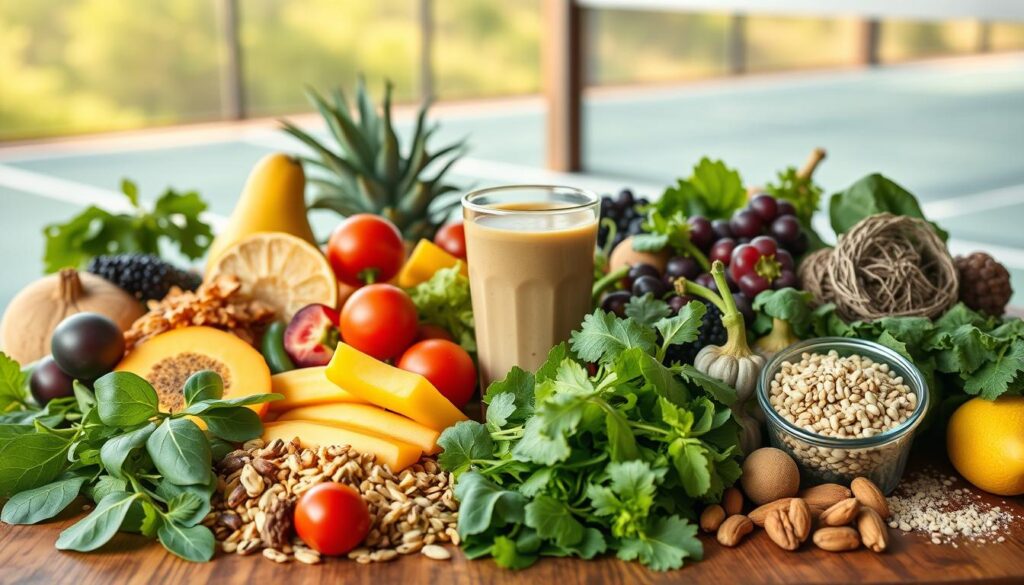
Ultimately, customized recovery nutrition plans for vegan athletes over 50 should incorporate these essential elements. Investing time in recovery nutrition enhances performance on the court and promotes longevity in the sport.
Supplements for Enhanced Performance and Recovery
Vegan pickleball players can boost their game with supplements. Options like protein powders, BCAAs, and creatine support specific needs. These supplements aid in muscle repair and improve performance, especially as you get older.
Popular Vegan Supplements to Consider
Choosing the right vegan supplements can greatly improve your game. Here are some top picks:
- Plant-based Protein Powders: Key for muscle recovery, made from pea, rice, or hemp.
- BCAAs (Branched Chain Amino Acids): Help reduce muscle soreness and aid in recovery.
- Creatine: Now available in vegan forms, boosts energy for intense play.
When to Use Supplements
Timing and dosage are crucial for supplements to work best. Here’s how to use them effectively:
- Post-Workout: Take protein and carbs within 30 minutes to aid recovery.
- Before Physical Activity: BCAAs before workouts can prevent muscle breakdown.
- Daily Supplements: Regularly taking performance supplements like creatine offers long-term gains.
How to Plan Your Meals Around Pickleball
For athletes playing pickleball, meal planning is key. Scheduling meals around practice and games is vital. It makes sure players are fueled and ready to perform.
Having a balanced diet is crucial. It includes carbs, proteins, and fats. This balance helps maintain performance and aids in recovery. A good meal plan lets athletes control their nutrition.
After games, it’s important to eat right. Nutrient-rich meals help repair muscles and restore energy. Eating foods that are good for you and drinking plenty of water helps reduce tiredness and supports recovery.
Aligning meals with training and games boosts physical readiness and recovery. A well-planned meal schedule can greatly benefit any pickleball player.
Strategies to Maintain Energy Levels During Games
Keeping your energy up during a pickleball match is key to playing well. There are many ways to stay energized and competitive. Eating quick, easy-to-digest snacks can give you a quick energy boost without making you feel sick.
Drinking water is also very important to keep your energy up. Drinking water regularly helps prevent feeling tired and keeps you alert. Adding drinks with electrolytes can help even more, especially in long, intense games.
What you eat before the game matters a lot. Choose foods that give you the right nutrients but don’t make you feel too full. Foods high in complex carbs and lean proteins help you stay energized for a long time.
It’s also important to pace yourself. Try to keep a steady pace and adjust as needed. This helps save your energy for when you really need it in the game.
Eating for Endurance: Pre-Game Nutrition
Proper pre-game nutrition is key to better performance and endurance. Choosing the right foods before playing pickleball can boost your energy and game. It’s important to balance carbs and proteins for the best fuel.
What to Eat Before Playing Pickleball
To get the most out of your game, include these in your pre-game meal:
- Whole grains: Foods like quinoa, brown rice, and whole grain bread give steady energy. They’re great for keeping you going.
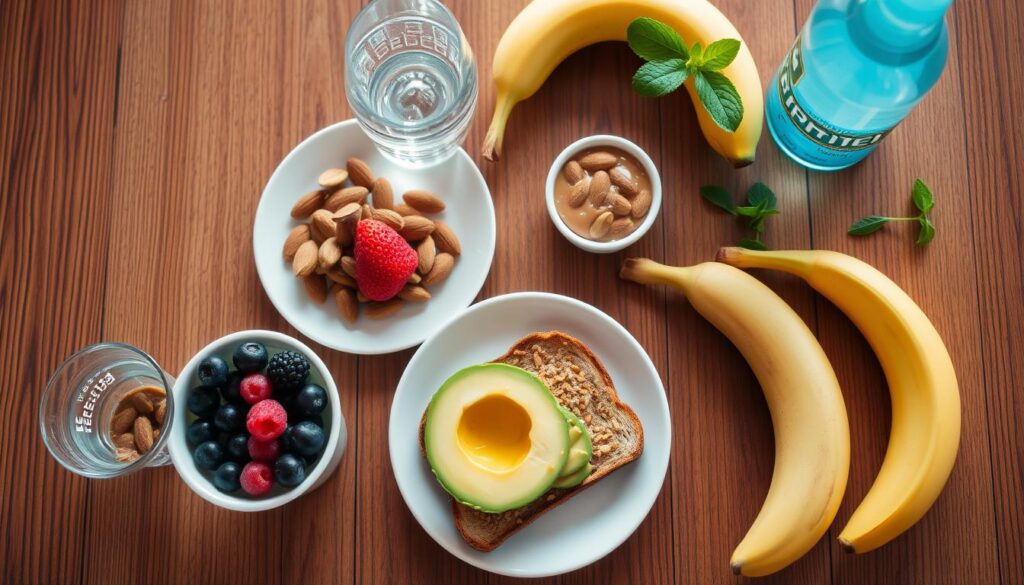
- Fruits: Bananas and apples are great for quick energy. They also help with staying hydrated and energized.
- Light proteins: A small amount of plant-based protein, like hummus or lentils, aids in muscle recovery. It also keeps you energized.
When to eat is just as crucial as what to eat. Eat a balanced meal about three hours before playing. For a quick snack, choose simple carbs like a banana or toast with almond butter 30 minutes before. This prepares your body for top performance.
Post-Match Nutrition: Key Recovery Strategies
After a game of pickleball, what you eat is key to muscle recovery and energy replenishment. Eating the right foods helps athletes regain strength and get ready for the next game. Carbs and proteins are crucial for fixing muscles and restoring energy.
Best Foods to Eat After a Match
Choosing the right foods after a game speeds up recovery and boosts health. Here are some top picks for post-pickleball meals:
- Smoothies with fruits, spinach, and protein powder are tasty and packed with nutrients.
- Legumes like lentils and chickpeas are great for protein and carbs, helping muscles and energy.
- Whole grains such as quinoa and brown rice offer carbs, fiber, and protein for energy and repair.
- Nuts and seeds like almonds and chia seeds provide healthy fats and protein for recovery and inflammation control.
Adding these foods to your diet after playing pickleball boosts performance and quickens recovery. Remember, staying hydrated is also vital for recovery, so drink plenty of water after playing.
The Science of Recovery Nutrition
The science of recovery nutrition is about knowing how different nutrients help after exercise. It shows that proteins, carbs, and fats are key for fixing muscles, restoring energy, and boosting the immune system.
Proteins are vital for fixing muscles that get damaged during workouts. Eating enough protein after exercise helps the body repair muscles. For vegan athletes over 50, lentils and tofu are great sources.
Carbs are the main energy source, important for refilling energy stores used up during exercise. Eating complex carbs like quinoa or brown rice helps keep energy levels up for future activities.
Healthy fats, found in avocados and nuts, help reduce inflammation. This makes recovery easier by lessening soreness and improving overall health. Combining these nutrients is key for athletes to adapt to aging bodies.
Knowing how to use nutrition can greatly improve performance and recovery. With the right diet, older athletes can keep up their competitive edge.
Common Mistakes to Avoid in Recovery Nutrition
Athletes often get lost in the sea of nutritional advice. This can lead to mistakes in recovery nutrition that slow them down. It’s key to know these errors to improve recovery strategies. By avoiding common pitfalls, athletes can boost their recovery and performance.
Misunderstanding Nutritional Needs
Many athletes don’t realize how important carbs are after exercise. Carbs help refill glycogen stores, crucial for recovery and next activities. Skipping carbs can make players feel tired and slow.
Fluid intake is also often misunderstood. Some players don’t drink enough after hard games. Not enough water hinders recovery, causing long-lasting fatigue and lower performance.
Overreliance on supplements is another mistake. Relying only on supplements can miss out on vital nutrients. A balanced diet with fruits, veggies, grains, and legumes is best. It ensures better nutrient absorption and health.
By avoiding these common mistakes, athletes can create a recovery plan that fits their needs. Understanding nutritional needs helps make better choices for performance, both on and off the court.
Conclusion
For vegan pickleball players over 50, a balanced diet is key. It boosts athletic performance and aids in recovery. A mix of carbs, proteins, and healthy fats is essential. It meets the nutritional needs of players in this age group and fits vegan diets.
Timing your meals and snacks is crucial. It helps keep energy levels up and aids in recovery. Choosing nutrient-rich foods before playing and focusing on replenishment after can make a big difference. These strategies support longevity in the sport and improve your overall wellness.
Knowing how recovery nutrition affects performance and health is important for vegan athletes. By adding these nutritional tips to your routine, your body will be ready to perform well on the pickleball court.